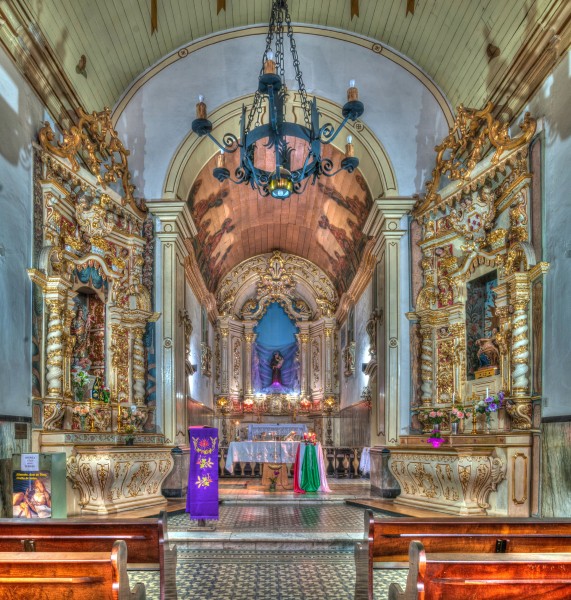
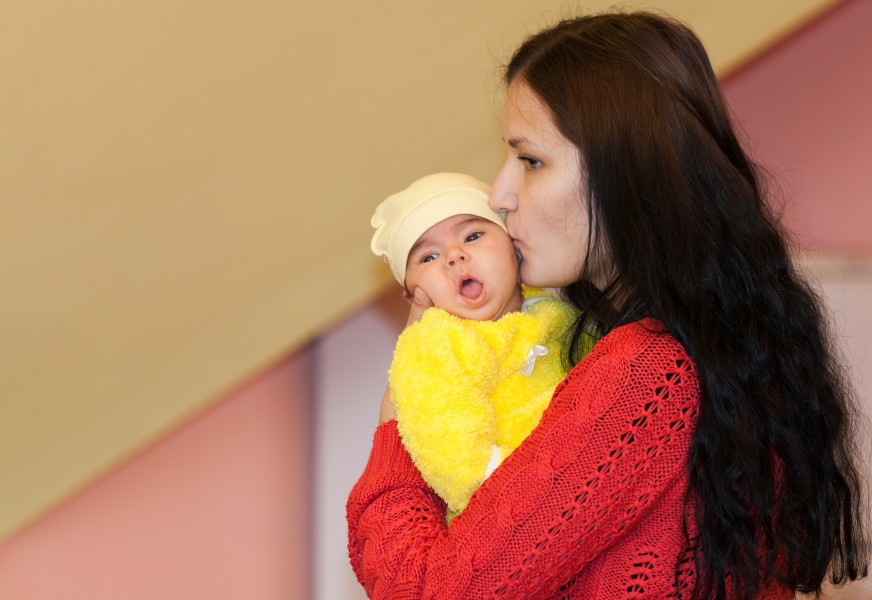
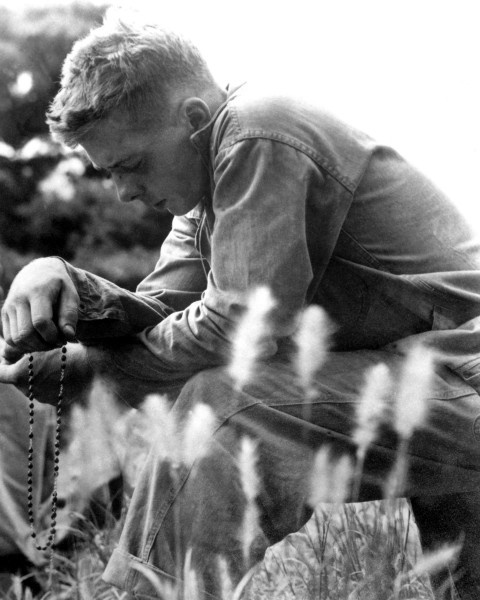
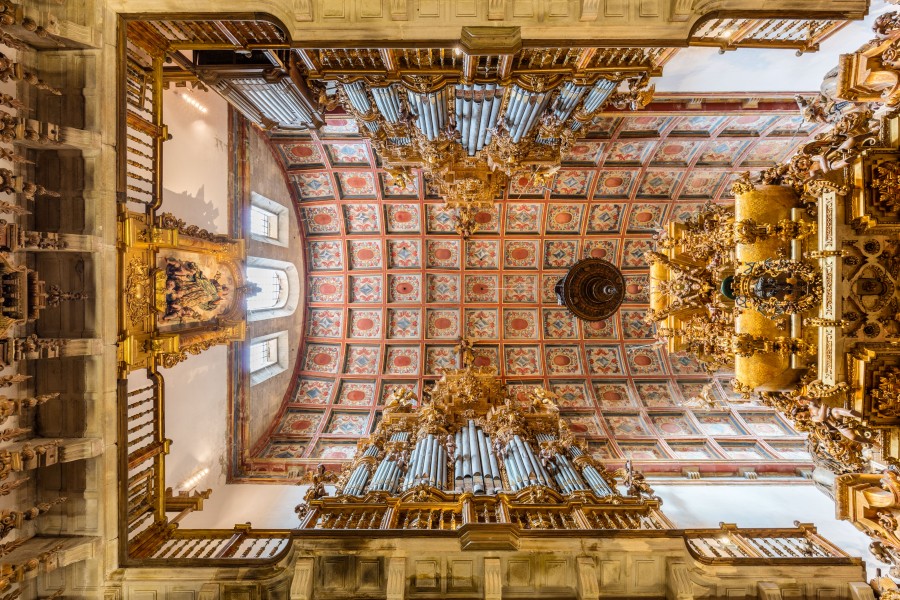
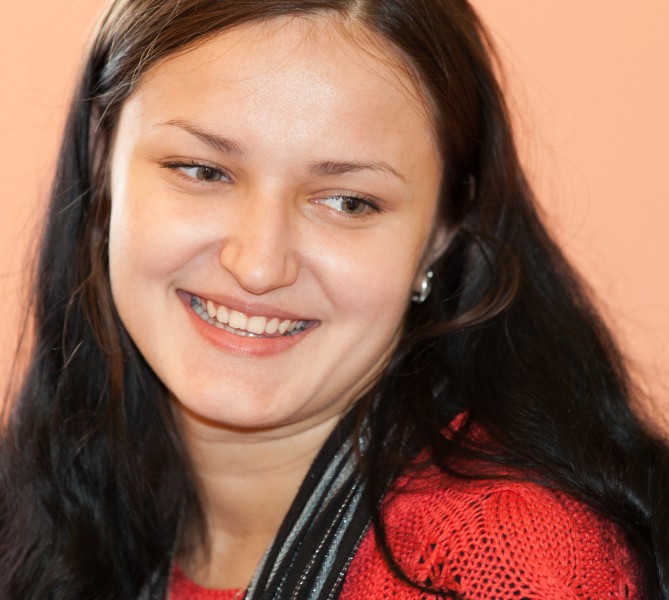
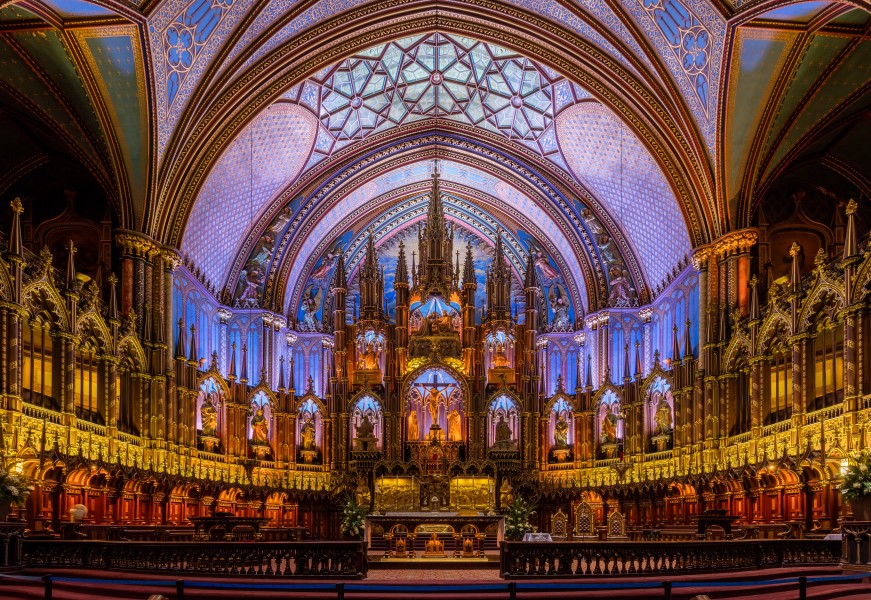
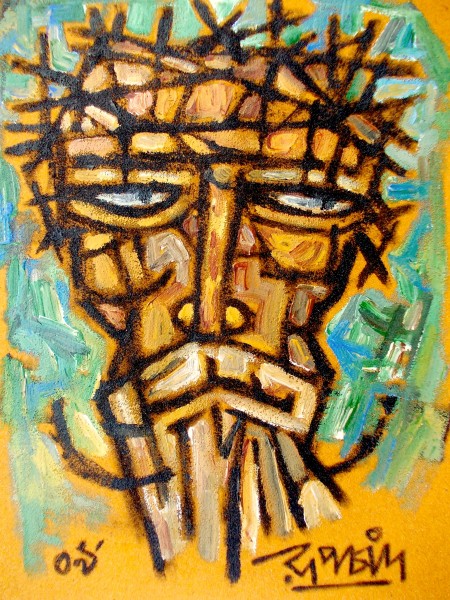
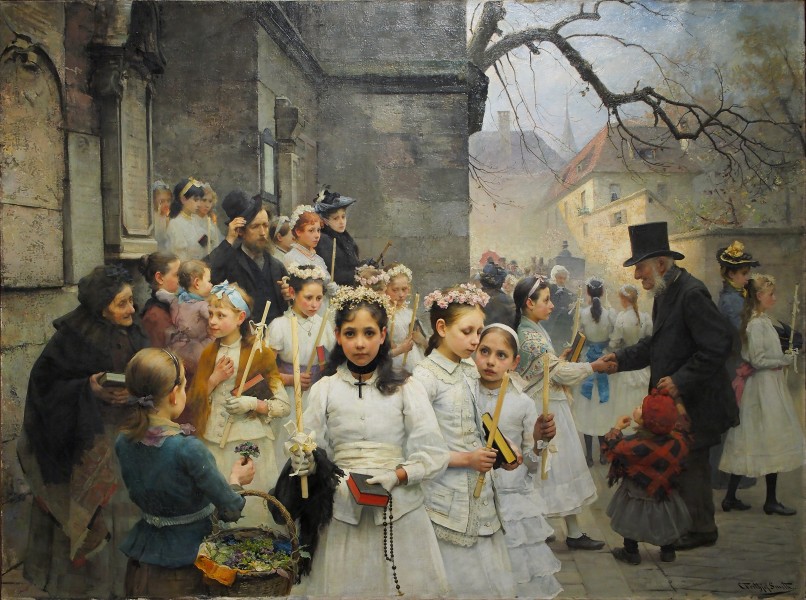
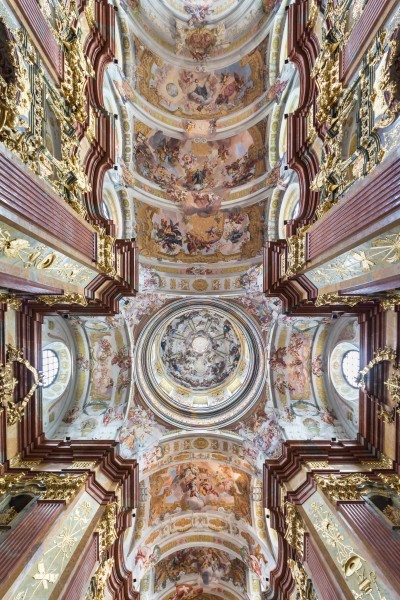
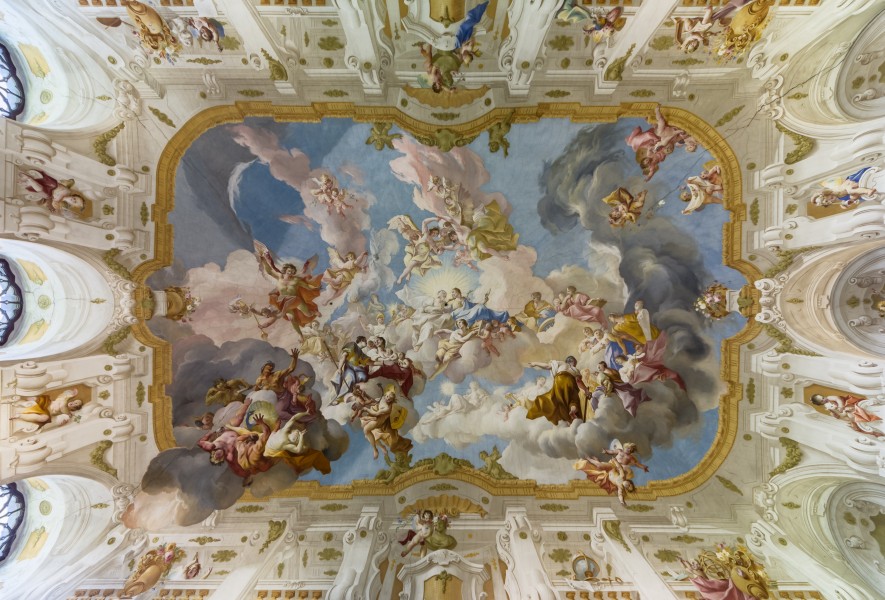
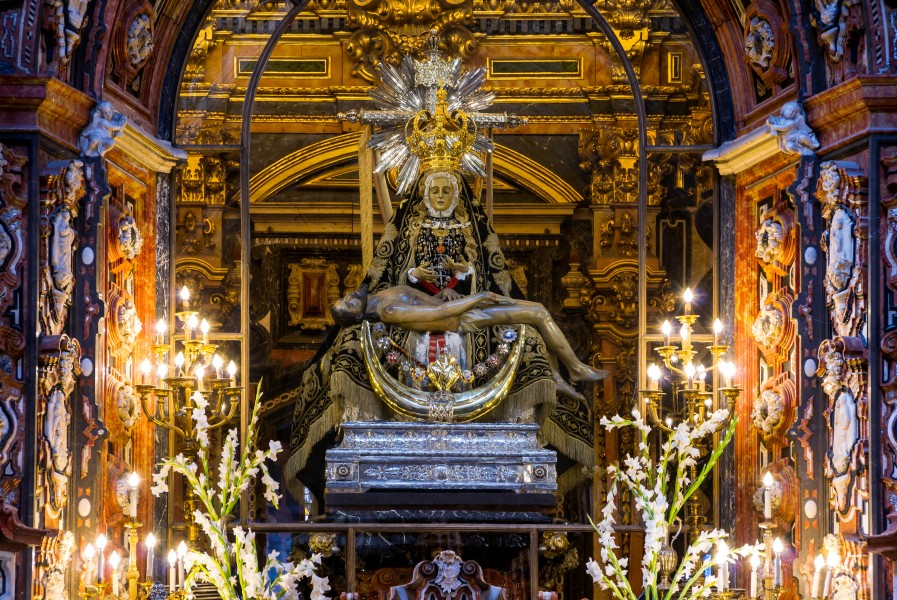
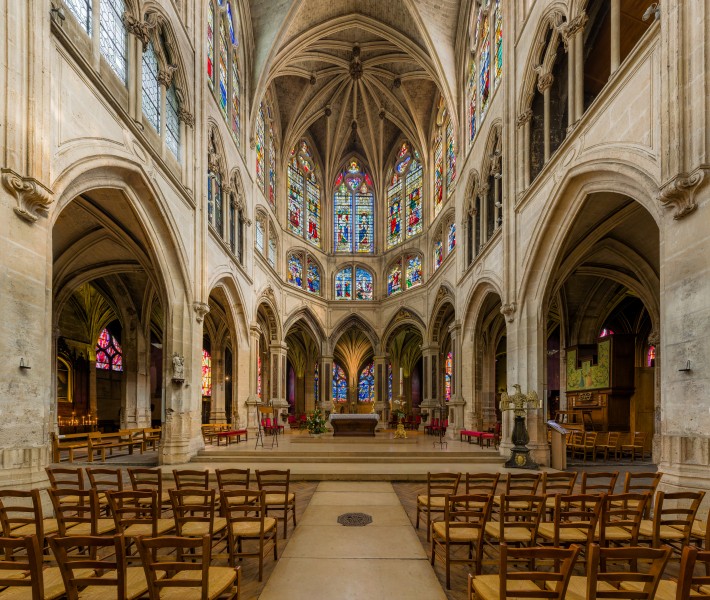
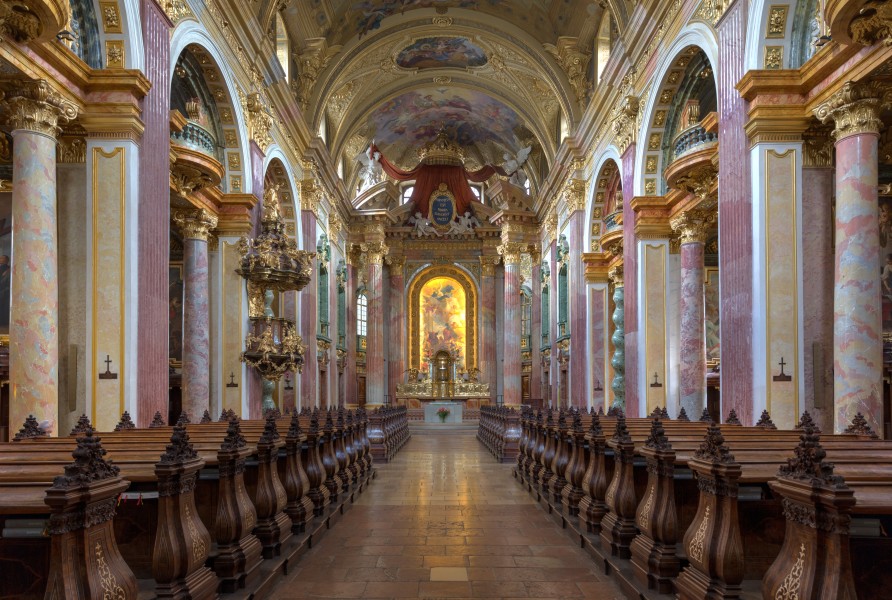
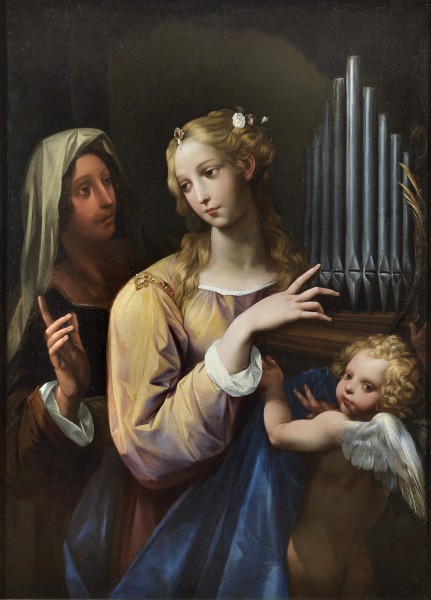
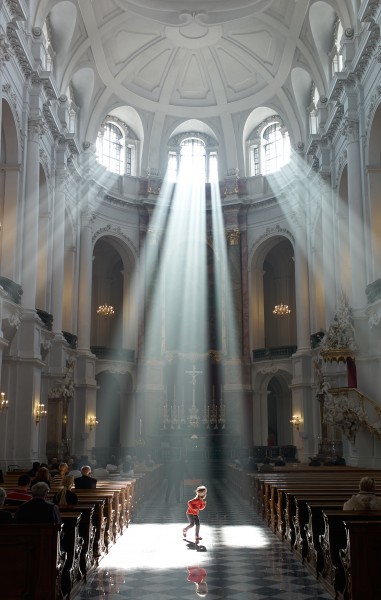
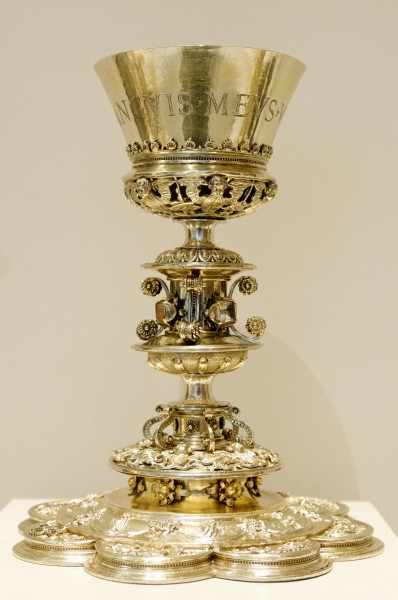
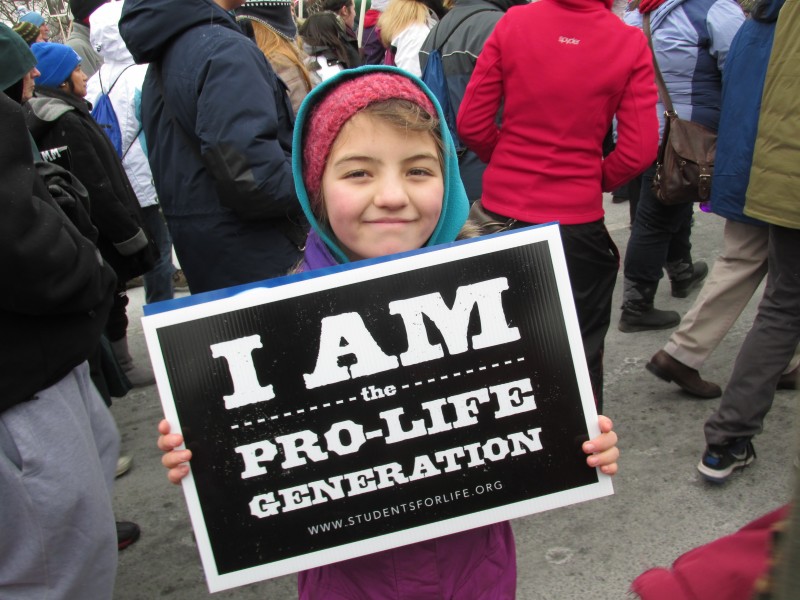
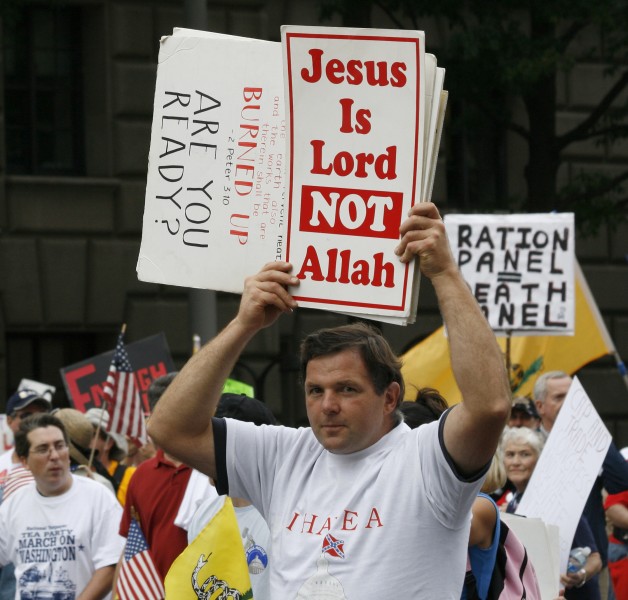
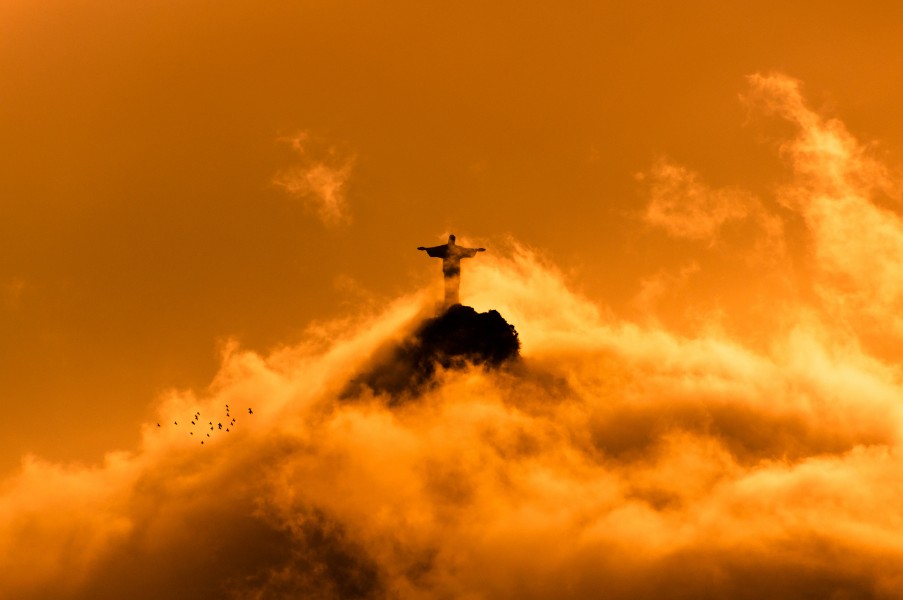
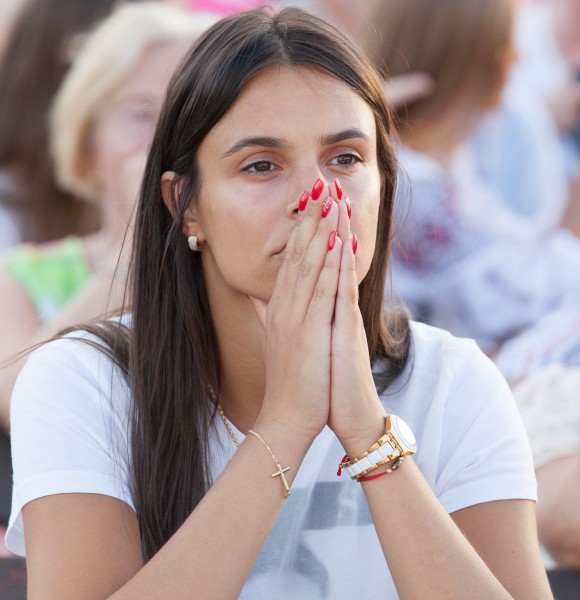
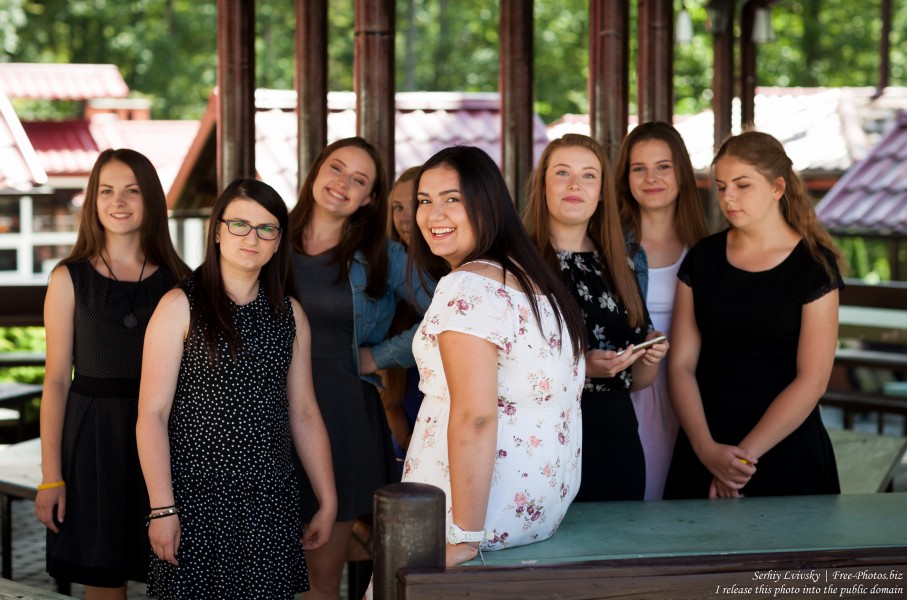
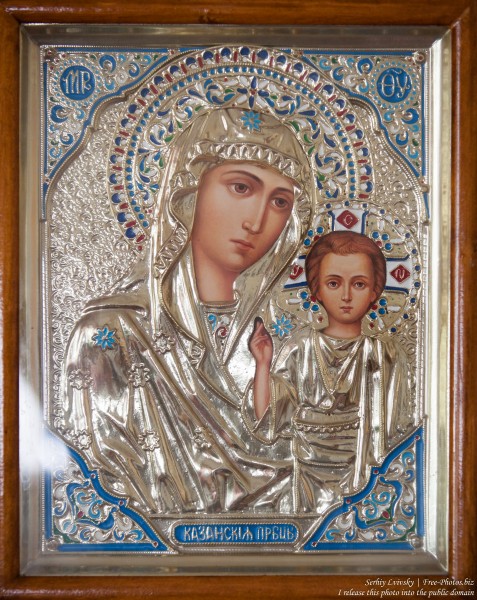
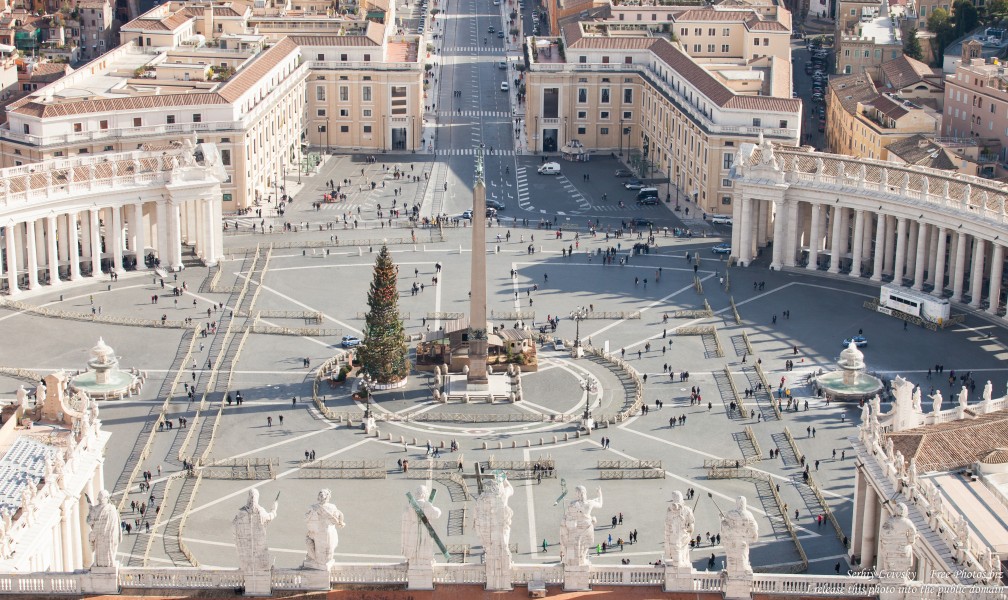
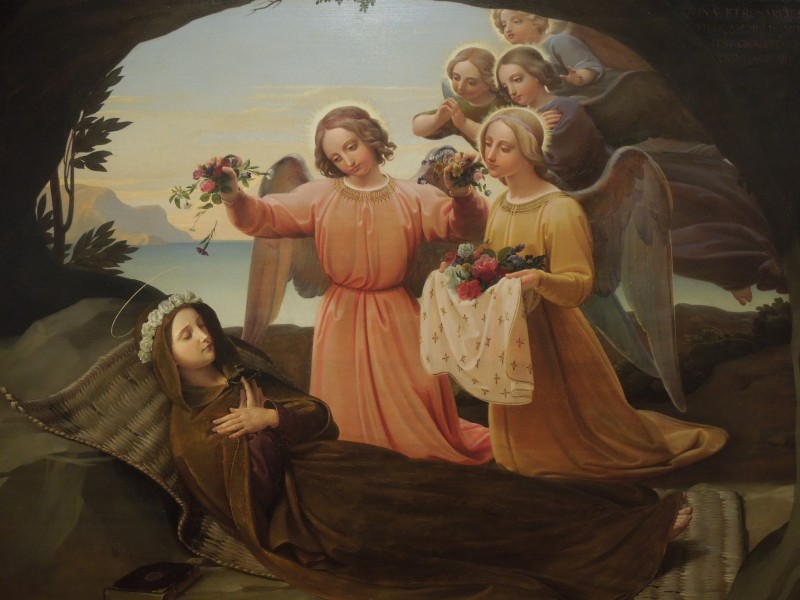
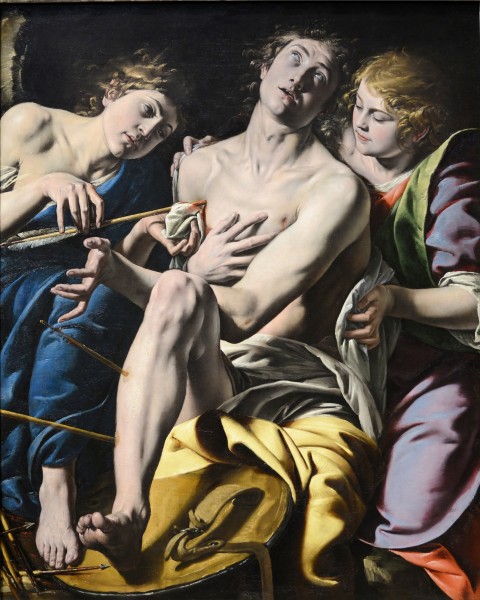
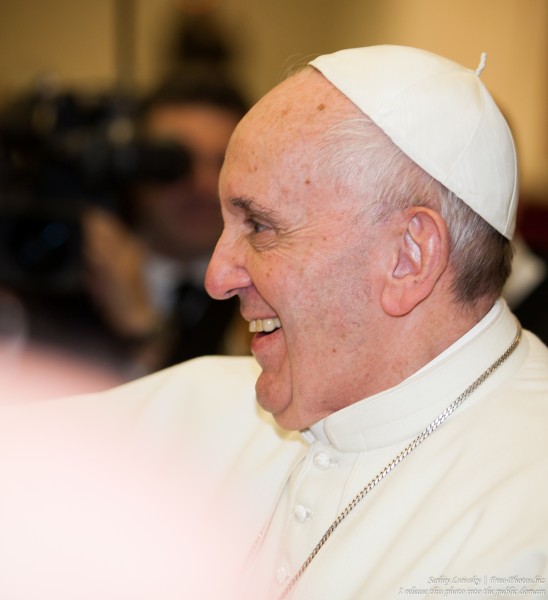
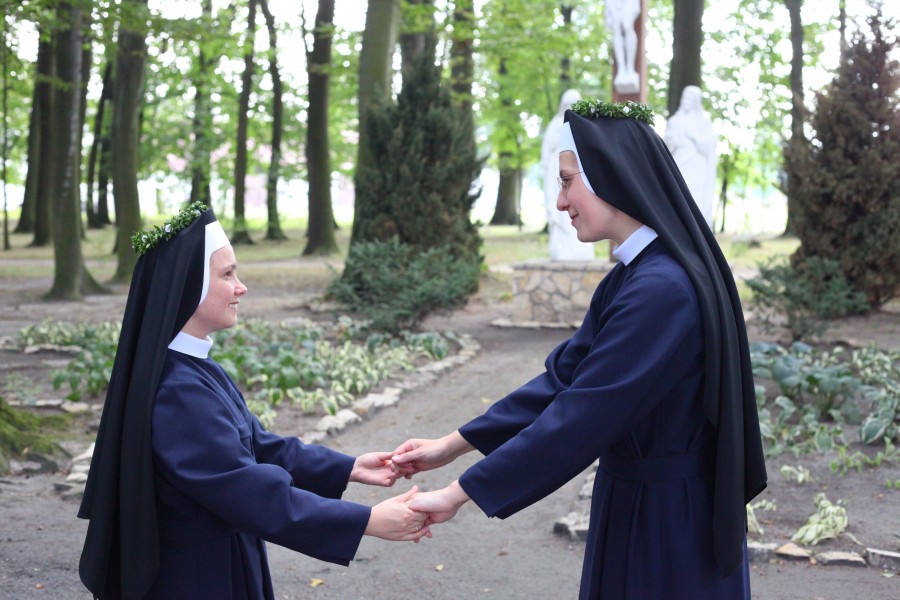
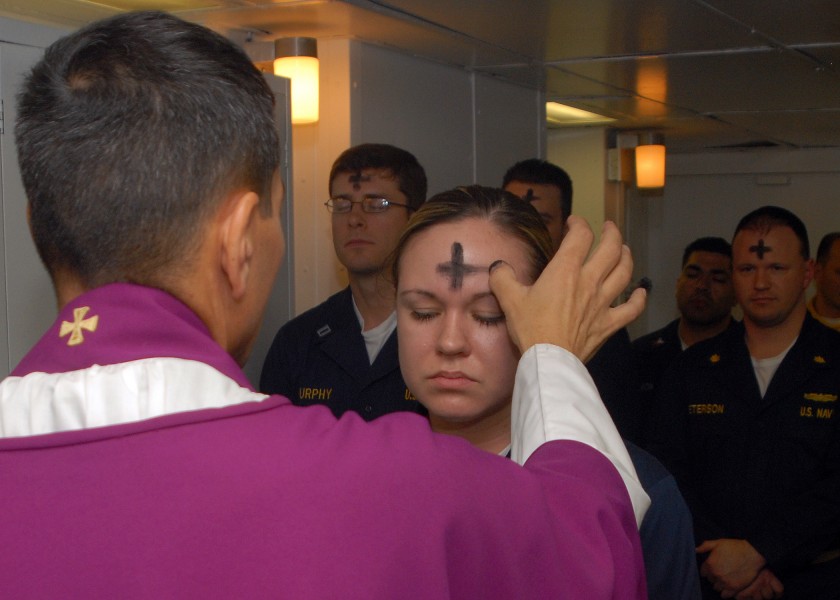
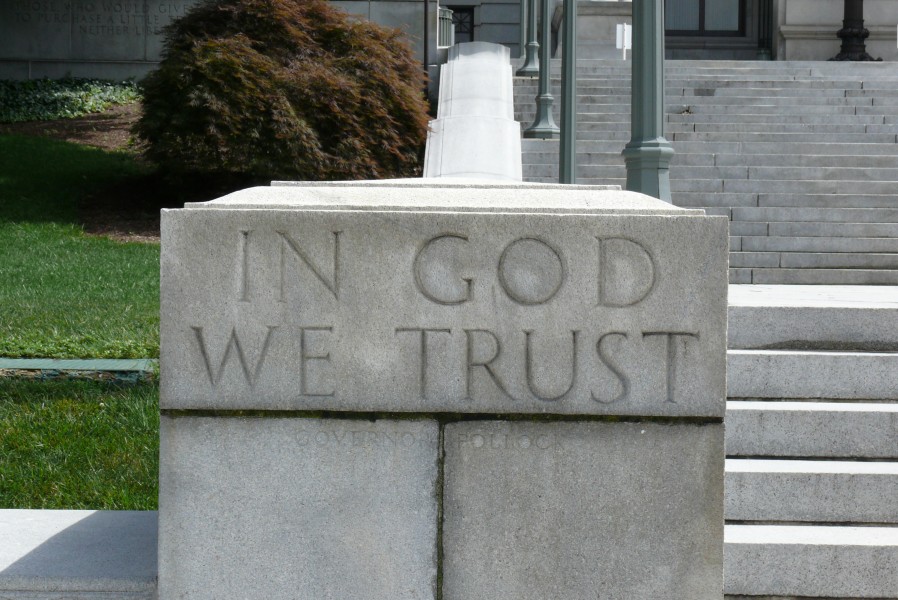
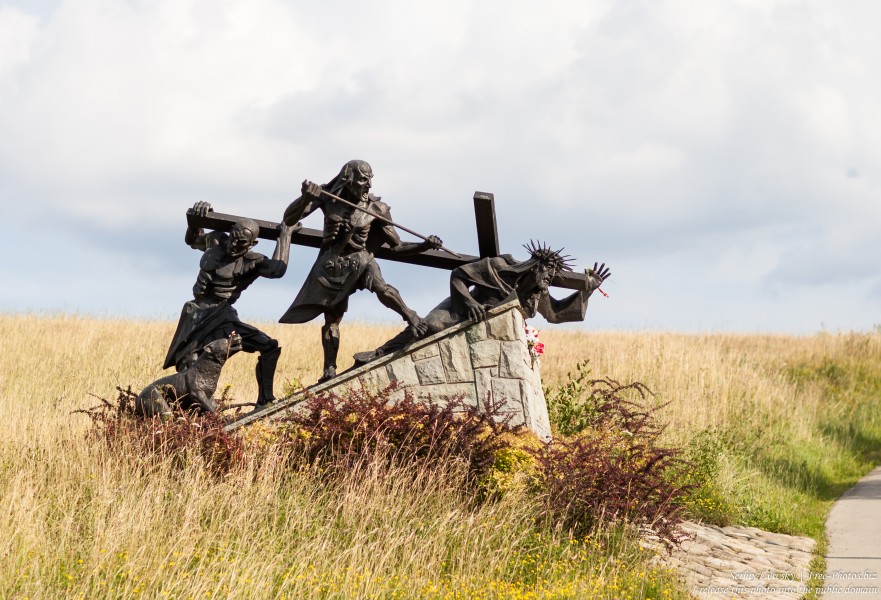
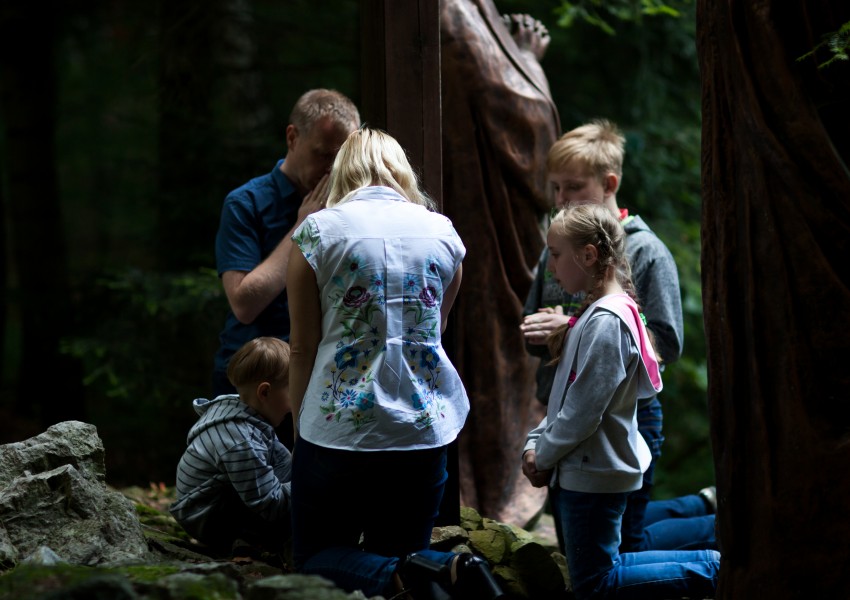
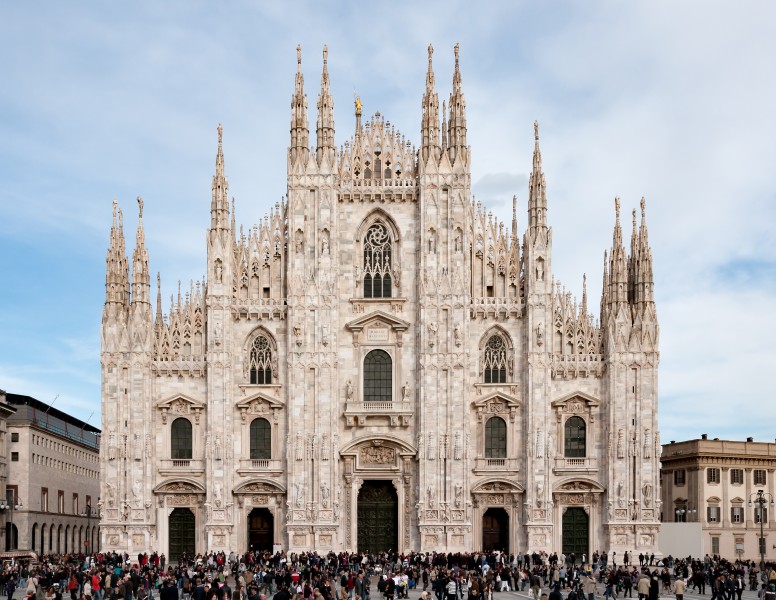
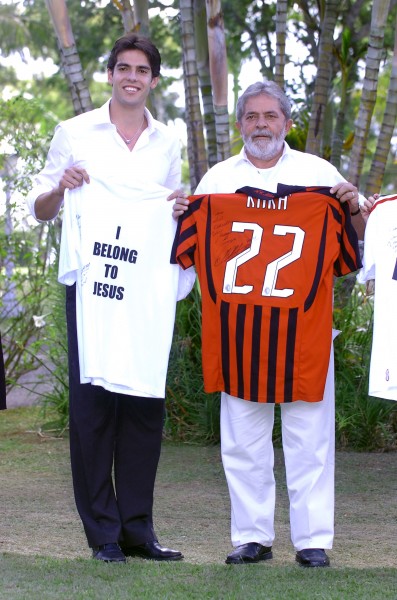
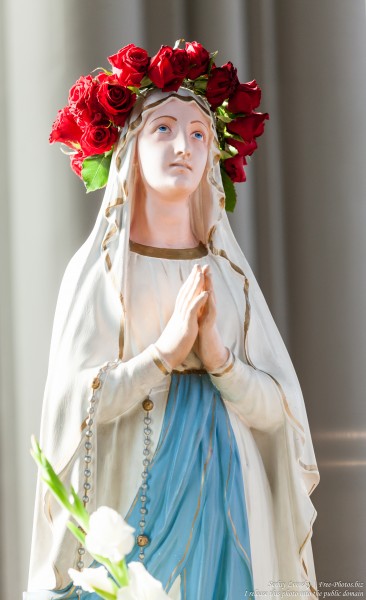
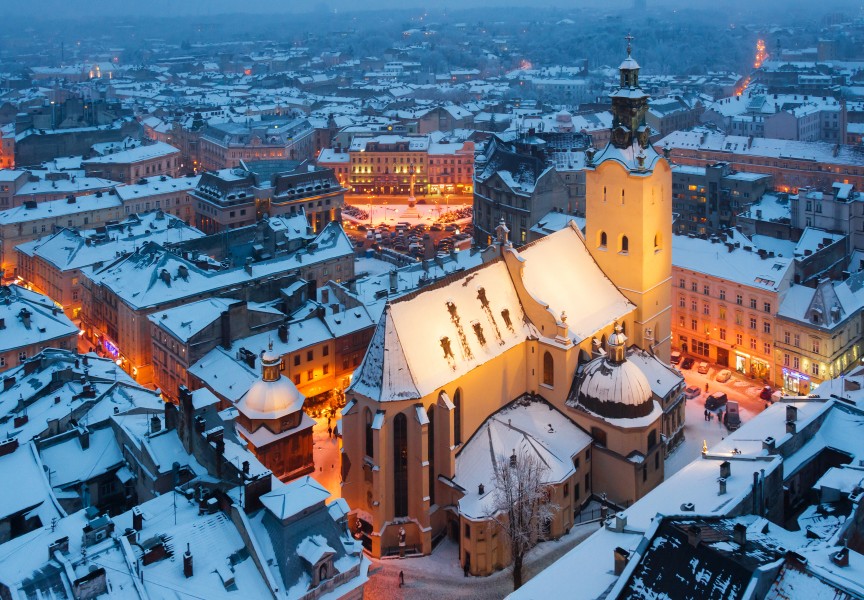
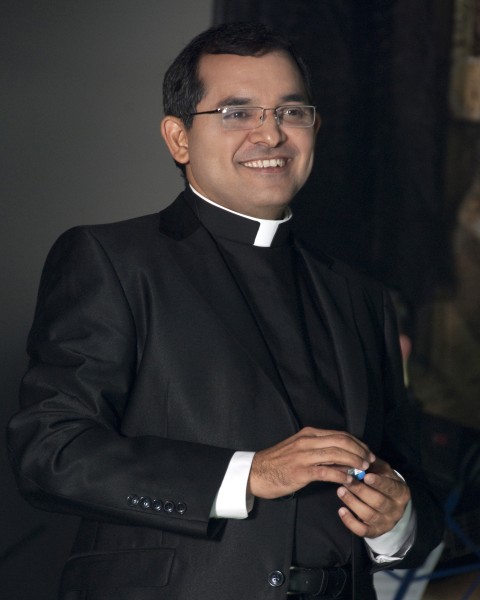
<br>Name of photo's author: Free-Photos.biz<br>This photo was taken in: Lviv, Ukraine
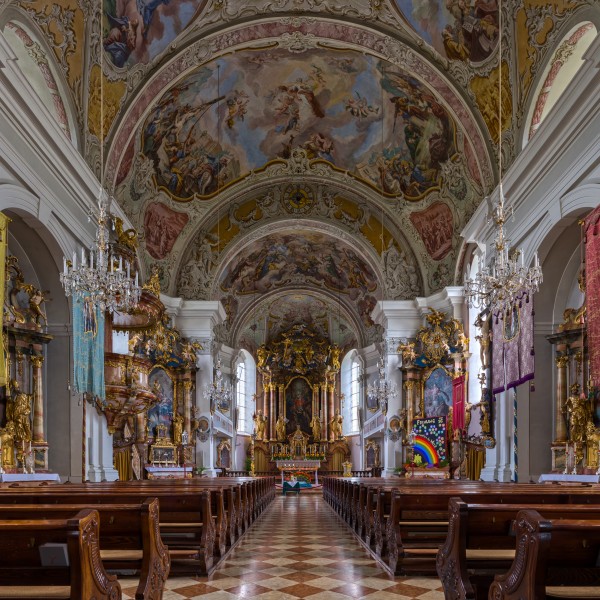
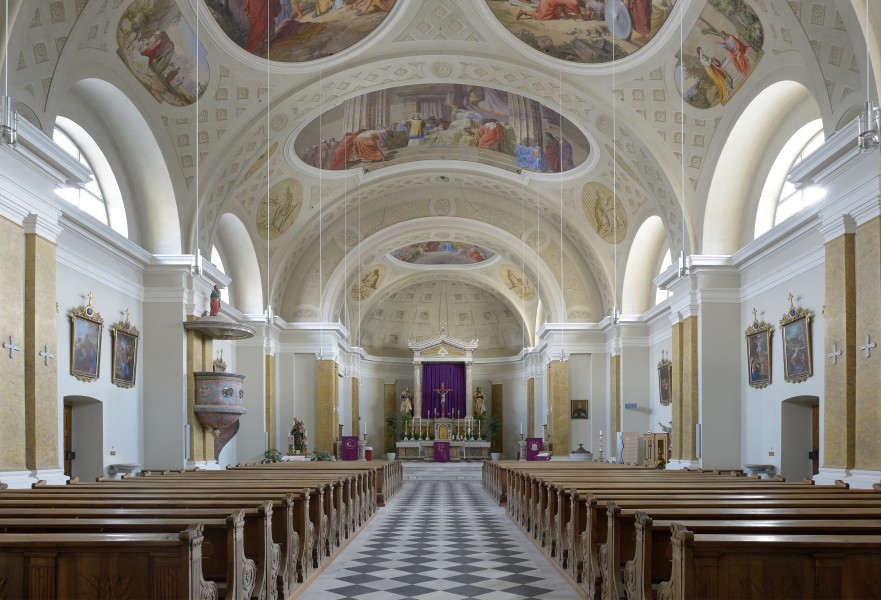
st_peter_salzburg_panoramic_view_of_interior_small.jpg
baby_boy_3_month_old.jpg
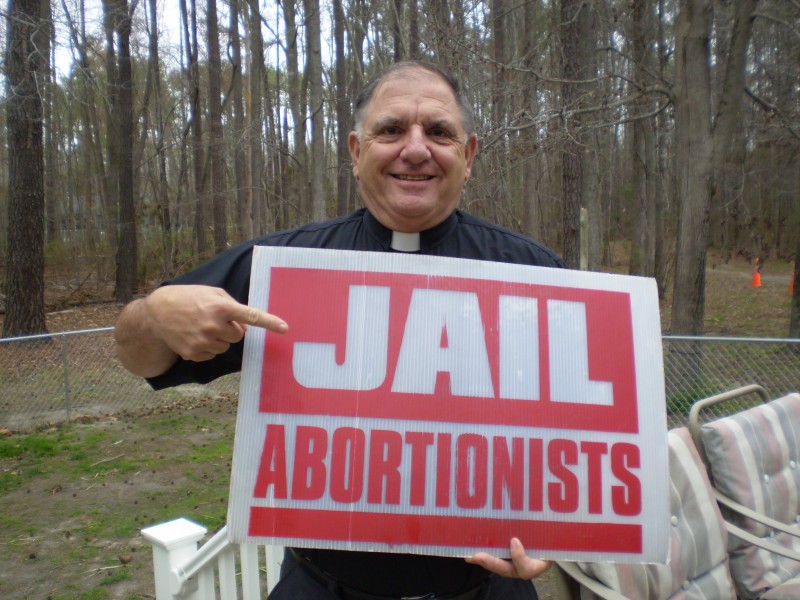
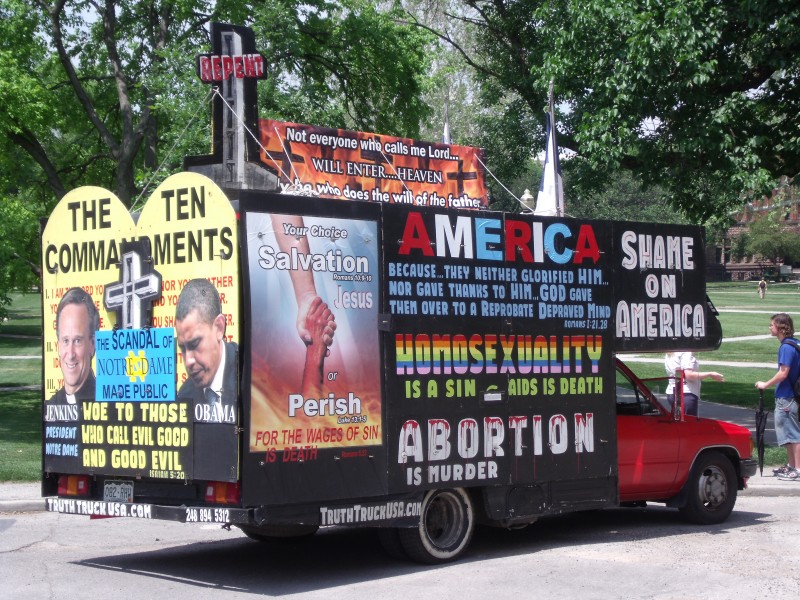
Protests against same-sex marriage in Spain (face blurred to respect personality rights in image)
ChГўteau de Bizy, Vernon, Haute-Normandie.
This applies to Australia, the European Union and those countries with a copyright term of life of the author plus 70 years.
brewiarz1962.jpg
The Oldest-Known Fragments of the Bible. - In 1979 two small rolled pieces of silver were discovered in a burial cave in Jerusalem, Israel. When the little scrolls were carefully unrolled, researchers found words from the Book of Numbers inscribed into the silver, written in characters from an ancient Hebrew script.
The reverse side of Papyrus 37, a New Testament manuscript of the Gospel of Matthew. Most likely originated in Egypt.
The front side of Papyrus 37, a New Testament manuscript of the Gospel of Matthew. Most likely originated in Egypt. Currently housed in:
The recto of Rylands Library Papyrus P52 from the Gospel of John.
Papyrus 92; Eph 1;11-13
picture of Papyrus 74 from the 7th century
lxx_y.jpg
Page from the Hereford Gospels, circa 780, illustrating the Gospel of John.
fluchtdespaul.jpg
ka_lma_ncsehi_breviariuma_-1481.jpg
japanesenewinterconfbible.jpg
San Antonio de Padua con el NiГ±o (Saint Anthony of Padua with the Child), oil on canvas, 190 Г— 120 cm.
memling_diptych_of_maarten_nieuwenhove_panel_detail_3.jpg
A church aisle, decorated with flowers and aisle runner for a traditional wedding.
tomb_of_the_virgin_mary._altar.jpg
sevensa.jpg
boucicaut-meister2.jpg
Angel. Symbol of Matthew the Evangelist, miniature from Morosov-Gospel, early 15th century
Karlskirche, Vienna. Fresco by Johann Michael Rottmayr ( 1714 ): Allegory of Faith - Angel burning the heretical texts of Martin Luther.
taiwanese_bible_chim-gian_1933.jpg
Schoenstein organ in St. Martin's Episcopal Church, Houston, Texas
This applies to Australia, the European Union and those countries with a copyright term of life of the author plus 70 years.
HDR of the interior of Г‰glise Saint-MaimbЕ“uf in MontbГ©liard, France.
Asklipio (Rhodes). Museum next to the Church of the Dormition
So a friend brought me a fisheye and I decided to take some pictures in my town. This is the Cathedral of Murcia
President George W. Bush takes the hand of Pope Benedict XVI as he and Mrs. Laura Bush welcomed the Pope to the United States upon his landing at Andrews Air Force Base, Maryland. Pope Benedict will visit the White House Wednesday and celebrate Mass Thursday before continuing on to New York City.
mein_lieblingsplatz.jpg
A Monk gives the rules to monks and nuns. According to the interpretation of the prophecies: Saint Francis of Sales gives to Saint Johan of Chantal the rule of her order. Artist's impression of an illustration in Vaticinia Nostradami.
brevarium_strengnense.jpg
ramsey.psalter.1310.jpg
copy_of_c025458.jpg
The nave of Holy Trinity Orthodox Cathedral, the Cathedral Church of the Diocese of Chicago and the Midwest, Orthodox Church in America, Chicago, Illinois looking east toward the iconostasis. Designed by Louis Sullivan, built 1899–1903.
Fr. Paul Manley giving blessing to prisoner
simone_martini_070.jpg
Betende in einer venezianischen Kirche. 1873. Aquarell und Gouache Гјber Bleistift. Rechts unten signiert, datiert und bezeichnet. 50,7 x 35,3 cm
folio_158r_-_the_christmas_mass.jpg
cornelis_de_man_002.jpg
The Tomb of William the Silent in an Imaginary Church
Miniature Prayer Book In Latin, illuminated manuscript on parchment
biblia_pauperum.jpg
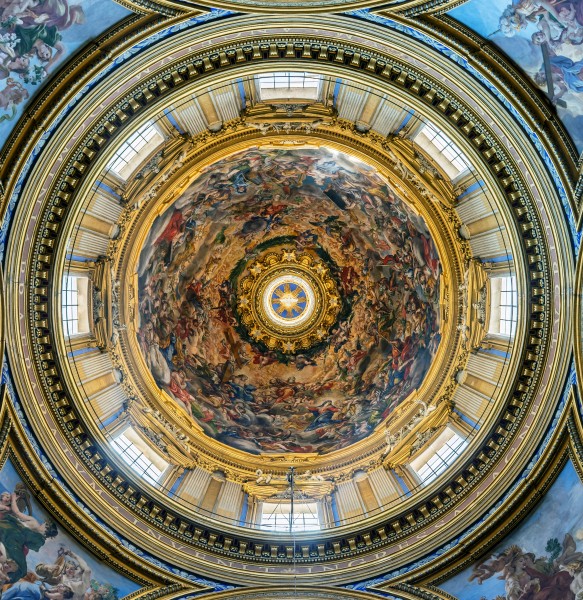
Herceg Novi - Church of the Archangel Michael (dome)
Library in ZlatГЎ Koruna monastery, Czech Republic
St. Benedict and the cup of poison; oil on wood; end 15th c.; anonymous Austrian master; museum of the Melk Abbey, Austria
the_last_supper_painting.jpg
titian_-_the_vendramin_family_venerating_a_relic_of_the_true_cross__detail__-_wga22811.jpg
This work contains material which may portray one or more identifiable persons alive or deceased recently. The use of images of living or recently deceased individuals is, in some jurisdictions, restricted by laws pertaining to personality rights, independent from their copyright status. Before using this content, please ensure that you have the right to use it under the laws which apply in the circumstances of your intended use. You are solely responsible for ensuring that you do not infringe someone else's personality rights. See our general disclaimer.
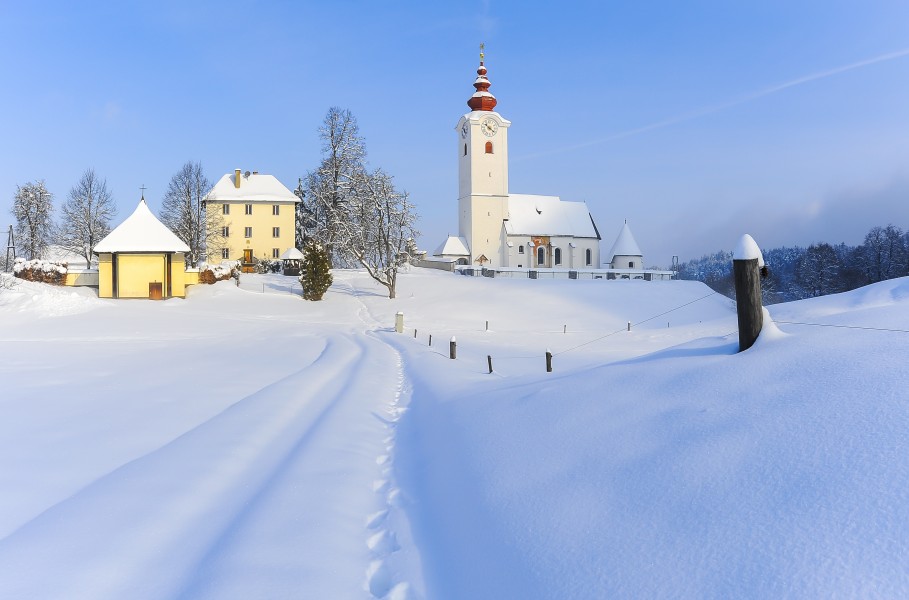
Funeral of an orthodox priest. Sretensky monastery (Moscow)
Crucession in the village of Gora. Russian Orthodox Old-Rite Church. Davidovo-Gora-Yelizarovo-Lyakhovo (Guslitsa) Orekhovo-Zuevo district Moscow reg.
Crucession. Russian Orthodox Old-Rite Church. Davidovo (Guslitci) Orehovo-Zuevo district Moscow reg.
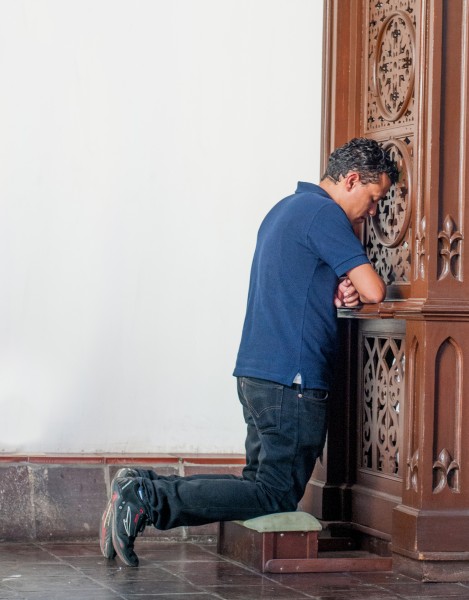
ChГўlus, Haute-Vienne, France, Notre-Dame-de-l'Assomption church, prie-dieu
breviario
This applies to Australia, the European Union and those countries with a copyright term of life of the author plus 70 years.
baskerville_bible.jpg
kazatelnica_konkatedrala_presov.jpg
Nazareth is the largest city in the North District of Israel. Known as the Arab capital of Israel, the population is made up predominantly of Palestinian Arab citizens of Israel. In the New Testament, the city is described as the childhood home of Jesus, and as such is a center of Christian pilgrimage, with many shrines commemorating biblical events.<br>Name of photo's author: Free-Photos.Biz<br>This photo was taken in: Nazareth, Israel
Mount Tabor is located in Lower Galilee, at the eastern end of the Jezreel Valley, 18 km west of the Sea of Galilee, in Israel. It is the site of the Transfiguration of Jesus. It was also the site of the battle between Barak and the army of Jabin, commanded by Sisera during the leadership of the Israelite judge Deborah in the mid 14th century BCE. It is also known as Har Tavor, Itabyrium, Jebel et-Tur, and the Mount of Transfiguration. The Jewish village Kfar Tavor is located at its base, to the east, as well as two Arab communities: Shibli-Umm al-Ghanam (south and east) and Daburiyya (northwest).<br>Name of photo's author: Free-Photos.Biz<br>This photo was taken in: Mount Tabor, Israel
Cana is best known as the place where, according to the Fourth Gospel, Jesus performed his first public miracle, the turning of a large quantity of water into wine at a wedding feast (John 2:1-11) when the wine provided by the bridegroom had run out. The mainstream Christian tradition holds that this is the first public miracle of Jesus. In John's gospel it has considerable symbolic importance: it is the first of the seven miraculous signs by which Jesus's divine status is attested, and around which the gospel is structured.<br>Name of photo's author: Free-Photos.Biz<br>This photo was taken in: Cana of Galilee, Israel
Jericho is a town near the Jordan River in the West Bank of the Palestinian territories. It has population of more than 20,000. Situated well below sea level on an east-west route 16 km north of the Dead Sea, Jericho is the lowest permanently inhabited site on earth. It is also believed to be the oldest continuously inhabited city in the world. Described in the Old Testament as the City of Palm Trees, copious springs in and around Jericho have made it an attractive site for human habitation for thousands of years. It is known in Judeo-Christian tradition as the place of the Israelites' return from bondage in Egypt, led by Joshua, the successor to Moses. Archaeologists have unearthed the remains of more than 20 successive settlements in Jericho, the first of which dates back 11,000 years.<br>Name of photo's author: Free-Photos.biz<br>This photo was taken in: Jericho, Palestina
jeriho_2011-10-01_08-47-32.jpg
Jericho is a town near the Jordan River in the West Bank of the Palestinian territories. It has population of more than 20,000. Situated well below sea level on an east-west route 16 km north of the Dead Sea, Jericho is the lowest permanently inhabited site on earth. It is also believed to be the oldest continuously inhabited city in the world. Described in the Old Testament as the City of Palm Trees, copious springs in and around Jericho have made it an attractive site for human habitation for thousands of years. It is known in Judeo-Christian tradition as the place of the Israelites' return from bondage in Egypt, led by Joshua, the successor to Moses. Archaeologists have unearthed the remains of more than 20 successive settlements in Jericho, the first of which dates back 11,000 years.<br>Name of photo's author: Free-Photos.biz<br>This photo was taken in: Jericho, Palestina
Jerusalem is Israel's largest city (if East Jerusalem is included) in both population and area, with a population of 763,800 residents over an area of 125.1 km2. Located in the Judean Mountains, between the Mediterranean Sea and the northern edge of the Dead Sea. Jerusalem is a holy city to the three major Abrahamic religions— Judaism, Christianity and Islam. In Judaism, Jerusalem has been the holiest city since, according to the Biblical Old Testament, King David of Israel first established it as the capital of the united Kingdom of Israel in c. 1000 BCE, and his son Solomon commissioned the building of the First Temple in the city. In Christianity, Jerusalem has been a holy city since, according to the New Testament, Jesus was crucified in c. 30 CE, and 300 years later Saint Helena identified the pilgrimage sites of Jesus' life. In Sunni Islam, Jerusalem is the third-holiest city.<br>Name of photo's author: Free-Photos.biz<br>This photo was taken in: Jerusalem, Israel
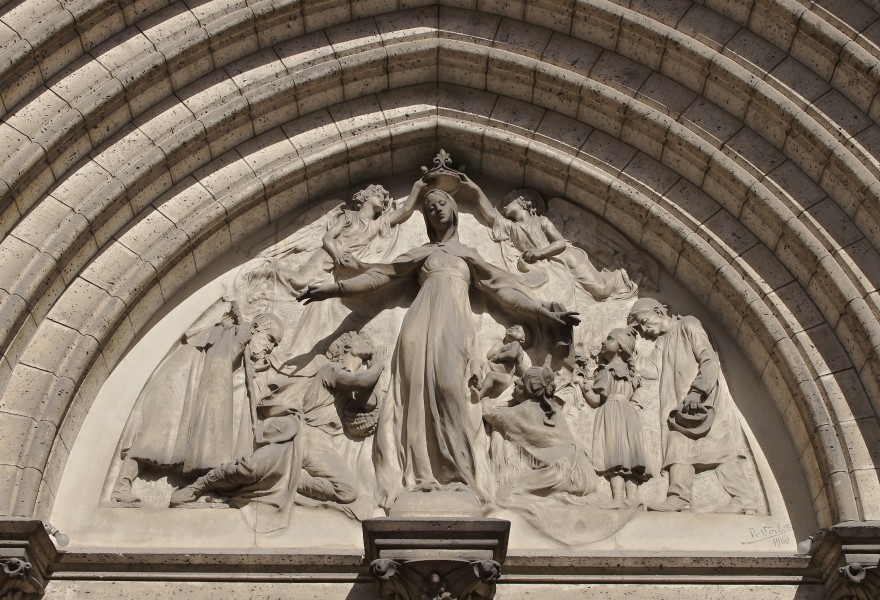
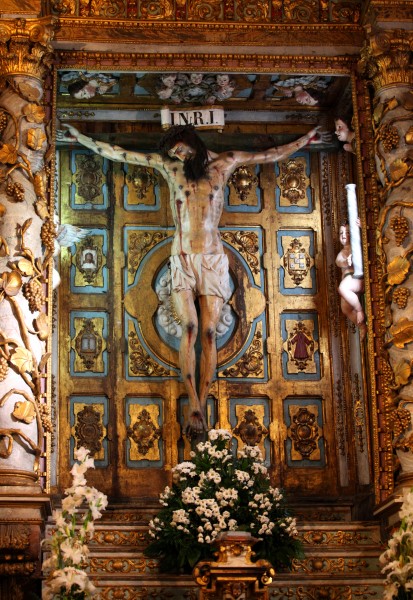
Photos of Christianity [1-200]
Photos of Christianity [201-400]
Photos of Christianity [401-600]
Photos of Christianity [601-800]
Photos of Christianity [801-1000]
Photos of Christianity [1001-1200]


Photos offered at Free-Photos.Biz come from Wikimedia Commons and from other sources. The pictures are published under free licenses and can be used by you free of charge for commercial and non-commercial purposes.
See more at: here and here.If you want to be sure of the concrete free license of a picture - look for the same picture at commons.wikimedia.org and see the license conditions there - but remember not all pictures come from there.

Some photos portray identifiable persons alive or deceased recently. The use of images of living or recently deceased individuals is, in some jurisdictions, restricted by laws pertaining to personality rights, independent from their copyright status. Before using such photos, please ensure that you have the right to use them under the laws which apply in the circumstances of your intended use. You are solely responsible for ensuring that you do not infringe someone else's personality rights.
christian portal