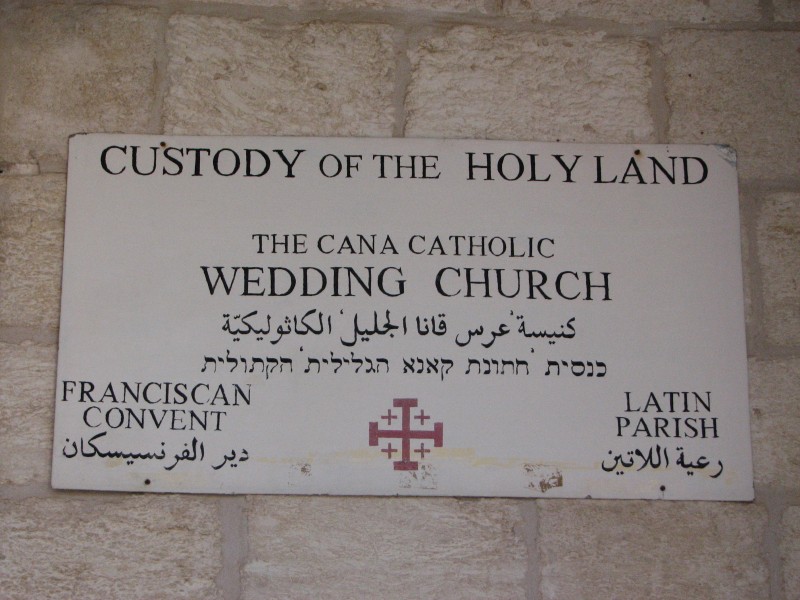
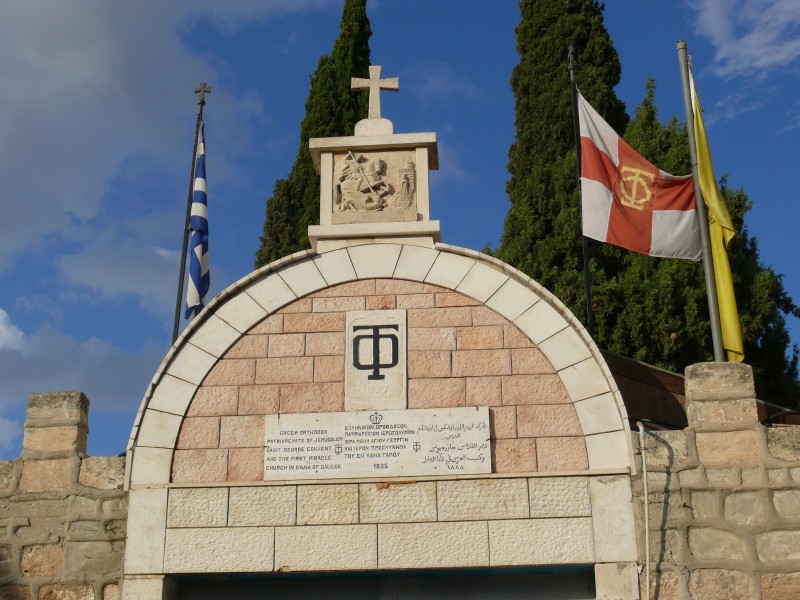
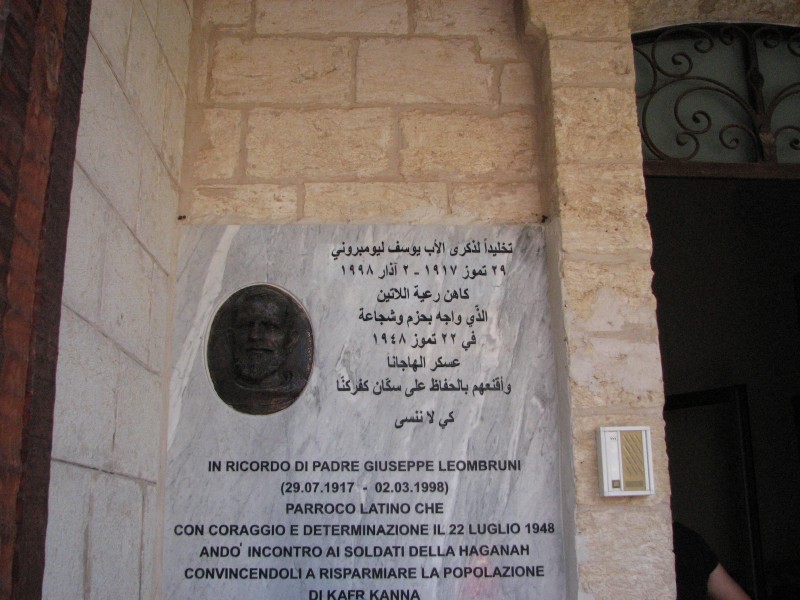
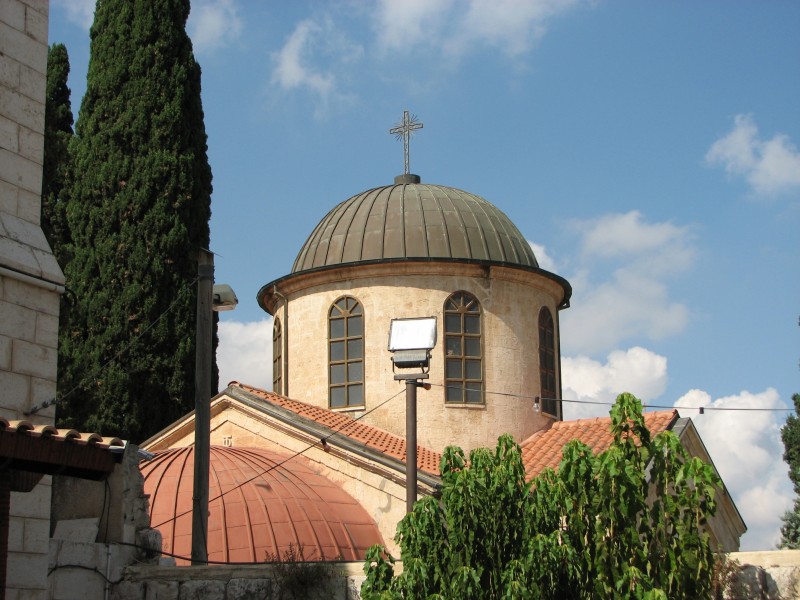
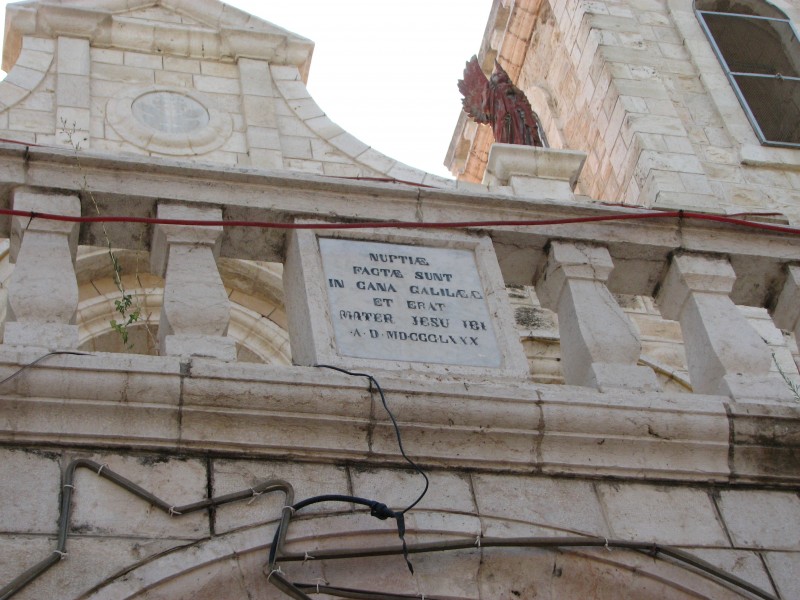
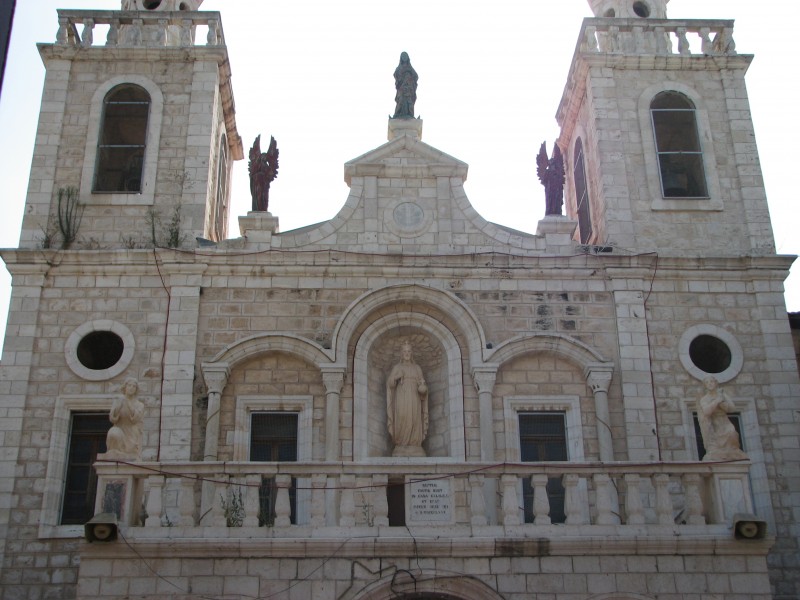
Cana is best known as the place where, according to the Fourth Gospel, Jesus performed his first public miracle, the turning of a large quantity of water into wine at a wedding feast (John 2:1-11) when the wine provided by the bridegroom had run out. The mainstream Christian tradition holds that this is the first public miracle of Jesus. In John's gospel it has considerable symbolic importance: it is the first of the seven miraculous signs by which Jesus's divine status is attested, and around which the gospel is structured.<br>Name of photo's author: Free-Photos.Biz<br>This photo was taken in: Cana of Galilee, Israel


Photos offered at Free-Photos.Biz come from Wikimedia Commons and from other sources. The pictures are published under free licenses and can be used by you free of charge for commercial and non-commercial purposes.
See more at: here and here.If you want to be sure of the concrete free license of a picture - look for the same picture at commons.wikimedia.org and see the license conditions there - but remember not all pictures come from there.

Some photos portray identifiable persons alive or deceased recently. The use of images of living or recently deceased individuals is, in some jurisdictions, restricted by laws pertaining to personality rights, independent from their copyright status. Before using such photos, please ensure that you have the right to use them under the laws which apply in the circumstances of your intended use. You are solely responsible for ensuring that you do not infringe someone else's personality rights.
christian portal