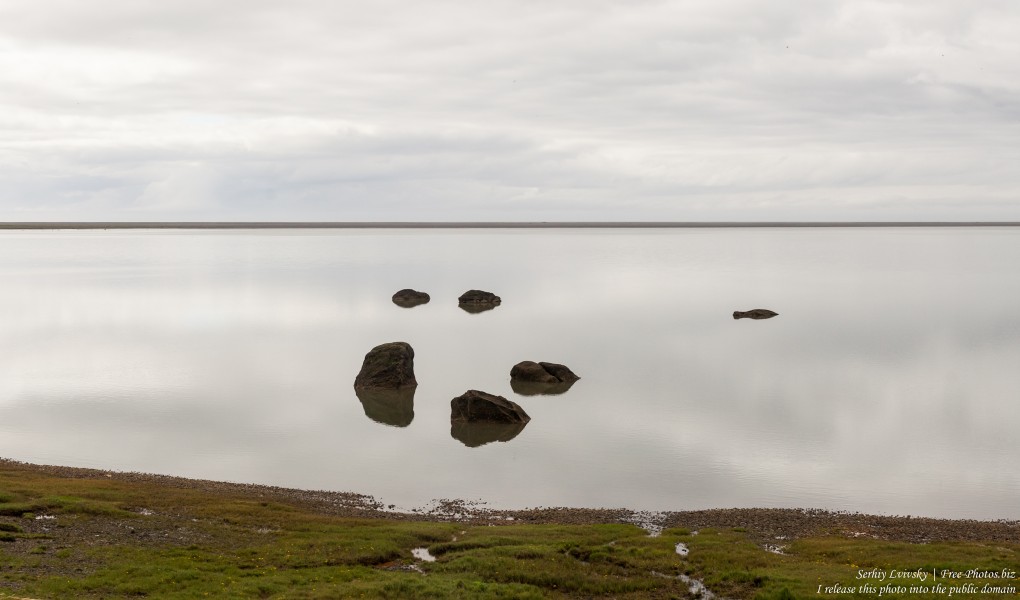
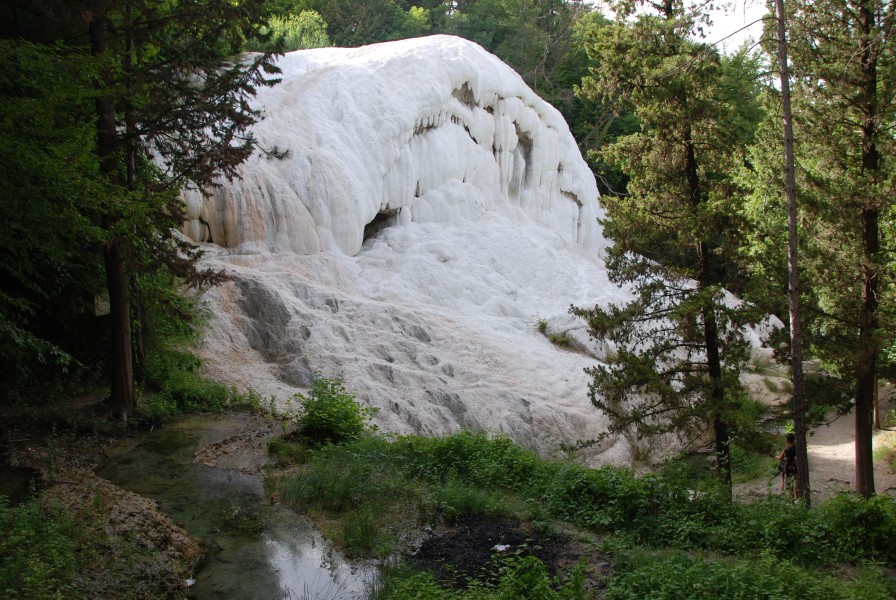
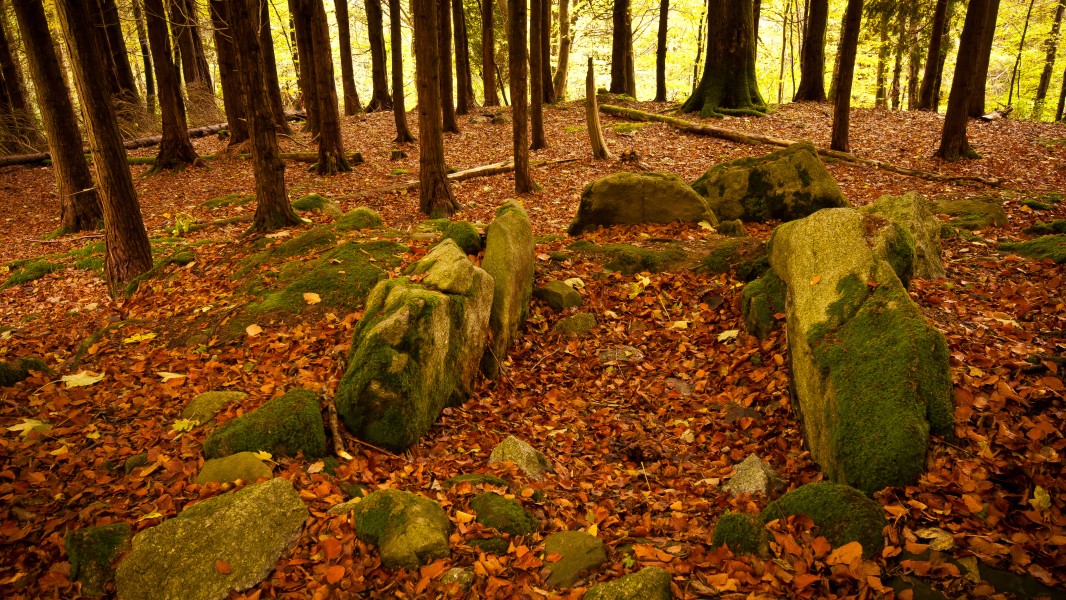
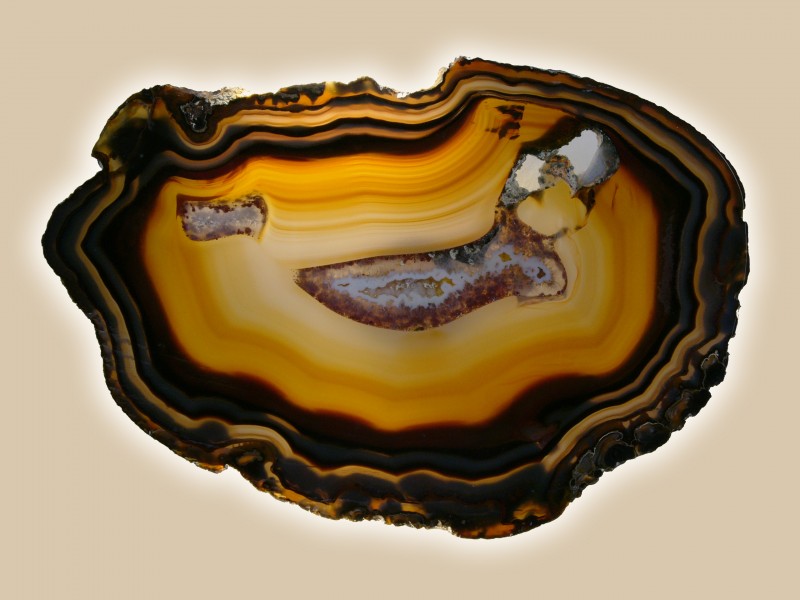
Wipperfurt Gogarten in Marienheide
racetrack9_3d.jpg
racetrack8_3d.jpg
racetrack6_3d.jpg
racetrack18_3d.jpg
Milestone on top of the Tabor bridge in Vipava, Goriška, Slovenia
Copy of the Roman milliarium discovered in Aiton commune, near Cluj-Napoca, Romania, dating from 108 AD and showing the construction of the road from Potaissa to Napoca, by demand of the Emperor Trajan. It indicates the distance of ten thousand feet (P.M.X.) to Potaissa. It is the first epigraphical attestation of the settlements of Potaissa and Napoca in Roman Dacia. This monument was erected in June 1993 in front of the Turda Post Office (Dec. 1, 1918 Street). The complete inscription is:
Inscription from the Milliarum of Aiton, a Roman milestone discovered in Aiton commune, near Cluj-Napoca, Romania. The milestone dates from 108 CE and shows the construction of the road from Potaissa to Napoca, by demand of the Emperor Trajan. It indicates the distance of ten thousand feet (P.M.X.) to Potaissa. It is the first epigraphical attestation of the settlements of Potaissa and Napoca in Roman Dacia. The complete inscription is:
Milliarium of Aiton, a Roman milestone discovered in Aiton commune, near Cluj-Napoca, Romania, reproduction of a drawing by M. P. Szatmary done in 1758. The milestone, is dating from 108 AD and shows the construction of the road from Potaissa to Napoca, by demand of the Emperor Trajan. It indicates the distance of ten thousand feet (P.M.X.) to Potaissa. It is the first epigraphical attestation of the settlements of Potaissa and Napoca in Roman Dacia. The complete inscription is:
Roman milestone. Photo taken at Worcester City Art Gallery & Museum, England.
dentista.gif
capela_o_militar_protestante.gif
redu_borne_st_hubert.jpg
en:Zero Milestone (1923), The Ellipse, en:Washington, D.C.
zero_mile__cheboksary_17_09_05.jpg
In case this is not legally possible:
Ilyasafronov grants anyone the right to use this work for any purpose, without any conditions, unless such conditions are required by law.
Zero kilometre. Volgograd, Russia
Voskresensky (Resurrection) or Iberian Gate in Moscow
0 km in Vologda
Miliarium I (the first mile sign) for the Appian Way, on the top of Cordonata, the monumental ladder that goes up to piazza del Campidoglio, in Rome.
campidoglio_-_il_miliarium.jpg
Prima pietra miliare dell'Appia antica (riproduzione, l'originale è al Campidoglio File:Campidoglio, Roma - Miliario I.jpg)
romafororomanomiliariumaureum01.jpg
romafororomanomiliariumaureum.jpg
Description of the Kilometre Zero stone of the Swiss train network in the train station of Olten (near track 12)
Marker from 1856 for the Kilometre Zero of the Swiss train network in the train station of Olten (at track 12)
Monolito que indica el kilómetro 0 de las rutas Argentinas. Plaza de los Dos Congresos.
19th-century postcard of Voskresensky (Resurrection) or Iberian Gate in Moscow
Russia's Kilometre Zero
Kilometre Zero Barnaul
Kilometer Zero, Bratislava
Kilometer Zero of Tokyo City.
This is the Philippines' Kilometer Zero (as displayed at the upper center-right portion of this image), accross a more famous landmark, Jose Rizal's monument in Rizal Park. In the background is the Quirino Grandstand.
Frontier crossing at trail Dolní Žleb (the Czech Republic) – Schöna (Germany).
gulistan_zero_point.jpg
Statue of King George II (by John Cheere, erected 1751) in the Royal Square, St. Helier, Jersey - freshly regilded 2010
george_ii_statue_st_helier_jersey.jpg
Metallic plaque on the pavement of the hall of the gare de l'Est, Paris. It shows the
Estatua de la Paz en Plaza Cagancha de Montevideo.
The diamond centerpoint of Capitolio, Havana, Cuba, December 2006.
catedral_de_la_ciudad_de_mexico.jpg
O camiño de Santiago en Fisterra, Galicia
Budapest
This image was selected as a picture of the day on the Karachay-Balkar Wikipedia for 13th of April 2010.
The National theater in Piata Univesitatii, Bucharest, and a monument in remembrance of the events of December 1989 and June 1990 mineriad. It reads
Belarus, Minsk, Location of the point zero of mapping in Belarus - in front of the Palace of the Republic.
Архангельск, памятный знак «Нулевой километр» на ул. Воскресенской.
0km_ivanovo.jpg
0_km_monument_budapest.jpg
Picture stones at Änge, Buttle parish, Gotland
stone
image stone
tangelgarda_odin.jpg
The picture stone of Stenbro at Gotland.
Scene from Stora Hammar stone
Ancient picture stone showing figures from Norse mythology.
picture_stone_in_akeba_ck_church__1931.jpg
picture_stone_being_erected_outside_akeba_ck_church__1931.jpg
stone
Hild and w:Hjadningavig. A detail from the Stora Hammar stone an image stone on Gotland
image stone
gotland-galrum_12.jpg
Bunge Museum auf Gotland. Wikinger-Bildstein
picture stone
buttle_a_nge.jpg
Bloodeagle in a detail of a Bildstein from the openair museum Bunge
bildstein-bunge_1.jpg
bildstein-bro_kyrka_01.jpg
image stone
image stone from Gotland, Sweden.
The Norse god Odin on his horse Sleipnir, featured on the Tjängvide image stone in Vallhalla. It also can depict a killed warrior on his way to Vallhalla greeted by Valkyries with horn goblet in their hands.
Dyce Symbol Stones, Dyce, Aberdeenshire, Scotland - Dyce 1
Picardy Symbol Stone (Aberdeenshire, Scotland) - class I Pictish Stone
Picardy Stone Description. See also http://www.aberdeenshire.gov.uk/archaeology/sites/pictish/picardy.asp for access to official leaflet.
Picardy Stone Area.
Picardy Stone.
Meigle Museum. One of the fine collection of Pictish sculptured stones housed in the little museum at Meigle.
View of the Sculptured Stone Museum at Meigle, Scotland, displaying Pictish symbol stones from the 8th and 9th centuries AD.
The back of Meigle 7 Pictish stone in the Meigle Sculpted Stone Museum.
Back of Meigle 6 Pictish Stone at Meigle Sculptured Stone Museum in Scotland.
Side of Meigle 5 Pictish stone in the Meigle Sculptured Stone Museum in Scotland.
The back of Meigle 4 Pictish stone, in the Meigle Sculptures Stone Museum.
Meigle 3 Pictish stone in the Meigle Sculptured Stone Museum, Scotland.
Meigle 29 Pictish stone in the Meigle Sculptured Stone Museum in Scotland.
Meigle 28 Pictish stone at the Meigle Sculptured Stone Museum in Scotland.
The front of Meigle 27 Pictish stone in Meigle Sculptured Stone Museum in Scotland.
The back of Pictish stone Meigle 27 in the Meigle Sculptures Stone Museum, Scotland.
Meigle 26 Pictish Stone at the Meigle Sculptured Stone Museum in Scotland.
Detail from the top of Meigle 26 recumbent Pictish stone in the Meigle Sculptured Stone Museum in Scotland.
Detail of Meigle 26 Pictish Stone in the Meigle Sculptured Stone Museum, Scotland.
Detail of Meigle 26 Pictish stone at Meigle Sculptured Stone Museum.
The end of Meigle 26 Pictish stone, showing a manticore and a human.
Meigle 25 hogback Pictish stone from the Meigle Sculptured Stone Museum in Scotland.
Meigle 22 Pictish stone from Meigle Sculptured Stone Museum in Scotland.
Meigle 20 Pictish stone from the Meigle Sculptured Stone Museum in Scotland.
Back of Meigle 2 Pictish stone, showing Daniel in the lions' den. Local folklore interprets this as Vanora, wife of King Arthur, also known as Guinevere, being fed to wild beasts after she was abducted by King Mordred and returned to Arthur.
Vanora, wife of King Arthur, being fed to wild beasts as punishment for her infidelity. From Meigle 2 Pictish stone, in the Meigle Sculptured Stone Museum in Scotland.
Meigle 14 Pictish stone in the Meigle Sculptured Stone Museum in Scotland.
Meigle 12 Pictish Stone at Meigle Sculptured Stone Museum in Scotland.
Meigle 11 Pictish stone in the Meigle Sculptured Stone Museum, Scotland.
The back of Meigle 1 Pictish stone in the Meigle Sculptured Stone Museum in Scotland.
Maiden Stone Pictish Pink granite stone cross from about the 9th century AD
Photograph of east face


This image was taken from the Geograph project collection. See this photograph's page on the Geograph website for the photographer's contact details. The copyright on this image is owned by Stephen Samson and is licensed for reuse under the Creative Commons Attribution-ShareAlike 2.0 license.

‪Беларуская (тарашкевіца)‬ | Български | Català | Deutsch | English | Español | Eesti | فارسی | Suomi | Français | Македонски | മലയാളം | Plattdüütsch | Nederlands | Polski | Português | Русский | ไทย | 中文 | ‪中文(简体)‬ | +/−


This file is licensed under the Creative Commons Attribution-Share Alike 2.0 Generic license.


Attribution: Stephen Samson


You are free:

to share – to copy, distribute and transmit the work
to remix – to adapt the work


Under the following conditions:

attribution – You must attribute the work in the manner specified by the author or licensor (but not in any way that suggests that they endorse you or your use of the work).
share alike – If you alter, transform, or build upon this work, you may distribute the resulting work only under the same or similar license to this one.


www.creativecommons.org/licenses/by-sa/2.0 CC-BY-SA-2.0 Creative Commons Attribution-Share Alike 2.0 truetrue
Maiden Stone (near Inverurie, Scotland) - back
maiden_stone__p4242700_.jpg
Pictish stone (front and back) found in Dunblane. Displayed in Dunblane Cathedral. -- Picture taken by me.
Pictish Stones in the Museum of Scotland
The Woodwrae Stone, a Pictish Stone in the National Museum of Scotland
Pictish Stones in the Museum of Scotland
The front of Meigle 7 Pictish stone in the Meigle Sculptured Stone Museum, Scotland.
Meigle 5 from the Meigle, Scotland, a Pictish symbol stone dating from the 8th or 9th century AD.
Meigle 1 Pictish stone at the Meigle Sculptured Stone Museum in Scotland.
The Camus Cross, circa 9th/10th century Pictish Cross
survilliers_saint-martin_schlussstein_363.jpg
survilliers_saint-martin_schlussstein_356.jpg
steustache_gewoelbe_chor.jpg
saint-pierre-de-caen029.jpg
saint-pierre-de-caen026.jpg
saint-pierre-de-caen023.jpg
Vault and pendant keystone in church Saint Etienne du Mont, Paris
A keystone showing the Veil of Vernonica in a cloister of Cadouin Abbey, Departement of Dordogne, France.
truetrue
truetrue
truetrue
truetrue
truetrue
truetrue
truetrue
A keystone showing a griffin in a cloister of Cadouin Abbey, Departement of Dordogne, France.
truetrue
Please see the Brooklyn Museum's policy page on their Flickr images. You can e-mail their archivist at library@brooklynmuseum.org for further usage information.
Pendant boss in a quadripartite cross-ribbed vault, church Saint-Pierre-et-Saint-Paul, Aumale, Seine-Maritime, France.
A photo of ground stone discoidals used for the game of en:Chunkey, found at the en:Winterville Site in en:Mississippi
Ceremonial stone mace from Spiro Mounds.
Various artifacts, including a shell cup fragment (#5) and a stone axe (#6), excavated at the Moundville Archaeological Park in Moundville, Hale County, Alabama, United States. Housed on-site in the Jones Archaeological Museum.
Various axe blades excavated at the Moundville Archaeological Park in Moundville, Hale County, Alabama, United States. Housed onsite in the Jones Archaeological Museum.
A map showing the distribution of sites associated with the quarrying, production and distribution by the en:Mississippian culture of en:Mill Creek chert.
A map showing the geographical distribution and frequency of en:Mill Creek chert finds at en:Mississippian culture sites.
A en:Mississippian culture monolithic stone axe, discovered and on display at the en:Etowah Indian Mounds
A diorama showing a en:Mississippian culture flintknapper from the en:Cahokia site in en:Collinsville, Illinois.
Different views of the same specimen
poignard_pre.2009.0.188.1-img_1825.jpg
Different views of the same specimen
sour_el-ghozlane_.biface1.jpg
sour_el-ghozlane_.biface.2.jpg
The Saltley Handaxe, drawn by Sir John Evans in 1897
Hand axe
hand aex flintknepping by entler hamer
lame.jpg
lame_de_jaspe_de_clohars.jpg
jaspe_de_bretagne.jpg
History museum of Truskavets
A stone-age hand axe, found in Kempston Bedfordshire, in the stores of Bedford Museum (ref. no. 2002-2.21.8).
Stone hand axe from the Museum of Prehistory of the Hulla Valley (Prehistoric Man Museum)
Tipycal Acheulean Handhaxe, it has tear form and proceeds from a superficial site in the Zamora province (Spain), in the Douro valley.
Ticket link: https://ticket.wikimedia.org/otrs/index.pl?Action=AgentTicketZoom&TicketNumber=2009111310033411
German National Museum ( Nuremberg / Germany ). Palaeolithic hand stone axe.
Flint stone tools, bronze age South Hungary - Tisza culture
Faustkeil im Heimatmuseum Bergen-Enkheim
hand axe, found in Poesing, 100.000 years old
Experimentally replicated handaxe made in coarse grain flint from the village fo Mucientes in the Valladolid province (Spain).
Handaxe in quartzite, its comes from the bed TG-10 of « Galería» in Atapuerca (Burgos, Spain) and it is dated circa 350,000 years
bifaces_ouargla.jpg
Quartzite Biface


Stage : Lower Paleolithic (to - 1 Ma from - 300 000 years Before the Current Era)
Locality : Venerque, Haute-Garonne, France
Former collection of Jean Baptiste Noulet (1802 - 1890)
Different views of the same specimen - Muséum of Toulouse MHNT.PRE.2009.0.198.1
Size : 14.7x9.5x4 cm – 493g
Quartzite Biface


Stage : Lower Paleolithic (to - 1 Ma from - 300 000 years Before the Current Era)
Locality : Venerque, Haute-Garonne, France
Former collection of Jean Baptiste Noulet (1802 - 1890)
Different views of the same specimen - Muséum of Toulouse MHNT.PRE.2009.0.198.1
Size : 14.7x9.5x4 cm – 493g
biface_micoquien_mhnt_pre_.2009.0.193.1__3_.jpg
biface_de_bretagne.jpg
Several hammersones for experimental knapping
Several soft hammers, some are in wood and one is an antler billet, for experimental knapping (direct percussion)
Direct percussion with hammersone, knapping experiment
Several antler pieces for experimental debitage or retouch «in the hands»
Flat butt and conchoide of a prehistoric flake in flint
Large biface hoes made from en:Mill Creek chert obtained from en:Southern Illinois, all found at the en:Nodena Site. On display at the Hampson Museum State Park, Arkansas.
Projectile Point found near Wappingers Falls, NY, 1963 Lecroy Point, 9000-7000 Bp Early Archaic Period
Large biface hoes made from en:Mill Creek chert obtained from en:Southern Illinois, all found at the en:Nodena Site.
A large biface hoe made from en:Mill Creek chert obtained from en:Southern Illinois, stone tools made from Crowley Ridge flint and axes of ground metamorphic stone from the Appalachian Mountains, all found at the en:Parkin Archeological State Park.
Maya eccentric flint. Classic Period. Maybe from Copan or Quiriguá. Musées Roayaux d'art et d'Histoire, Brussels (Belgium)
Flintknapping demonstration at the Quarry Hill Nature Center in Rochester, Minnesota
Ceremonial flint blades and chunkey stones
Alibates Flint Quarries National Monument, Texas, USA - Arrow heads made from flint
Protobifaz paleolítico procedente de la región del Sáhara atlántico Guelmim-Es Semara (Museo Arqueológico Nacional de Madrid)
African biface artifact dated in Late Stone Age period
Refitting of a chopper in quartzite, its comes from a fluvial quaternary terrace in Jarama river (Arganda, Madrid, Spain) and it is dated in Acheulean period (Lower Paleolithic)
Canto tallado de tradición Olduvayense procedente de la región del Sáhara atlántico Guelmim-Es Semara (Museo Arqueológico Nacional de Madrid)
Photos of Stones [1-200]
Photos of Stones [201-400]
Photos of Stones [401-600]
Photos of Stones [601-800]
Photos of Stones [801-1000]
Photos of Stones [1001-1200]
Photos of Stones [1201-1400]
Photos of Stones [1401-1600]
Photos of Stones [1601-1800]
Photos of Stones [1801-2000]
Photos of Stones [2001-2200]
Photos of Stones [2201-2400]
Photos of Stones [2401-2600]
Photos of Stones [2601-2800]
Photos of Stones [2801-3000]
Photos of Stones [3001-3200]
Photos of Stones [3201-3400]
Photos of Stones [3401-3600]
Photos of Stones [3601-3800]
Photos of Stones [3801-4000]
Photos of Stones [4001-4200]
Photos of Stones [4201-4400]
Photos of Stones [4401-4600]
Photos of Stones [4601-4800]
Photos of Stones [4801-5000]
Photos of Stones [5001-5200]
Photos of Stones [5201-5400]
Photos of Stones [5401-5600]
Photos of Stones [5601-5800]
Photos of Stones [5801-6000]
Photos of Stones [6001-6200]
Photos of Stones [6201-6400]
Photos of Stones [6401-6600]
Photos of Stones [6601-6800]
Photos of Stones [6801-7000]
Photos of Stones [7001-7200]
Photos of Stones [7201-7400]
Photos of Stones [7401-7600]
Photos of Stones [7601-7800]
Photos of Stones [7801-8000]
Photos of Stones [8001-8200]
Photos of Stones [8201-8400]
Photos of Stones [8401-8600]
Photos of Stones [8601-8800]
Photos of Stones [8801-9000]


Photos offered at Free-Photos.Biz come from Wikimedia Commons and from other sources. The pictures are published under free licenses and can be used by you free of charge for commercial and non-commercial purposes.
See more at: here and here.If you want to be sure of the concrete free license of a picture - look for the same picture at commons.wikimedia.org and see the license conditions there - but remember not all pictures come from there.

Some photos portray identifiable persons alive or deceased recently. The use of images of living or recently deceased individuals is, in some jurisdictions, restricted by laws pertaining to personality rights, independent from their copyright status. Before using such photos, please ensure that you have the right to use them under the laws which apply in the circumstances of your intended use. You are solely responsible for ensuring that you do not infringe someone else's personality rights.
christian portal
