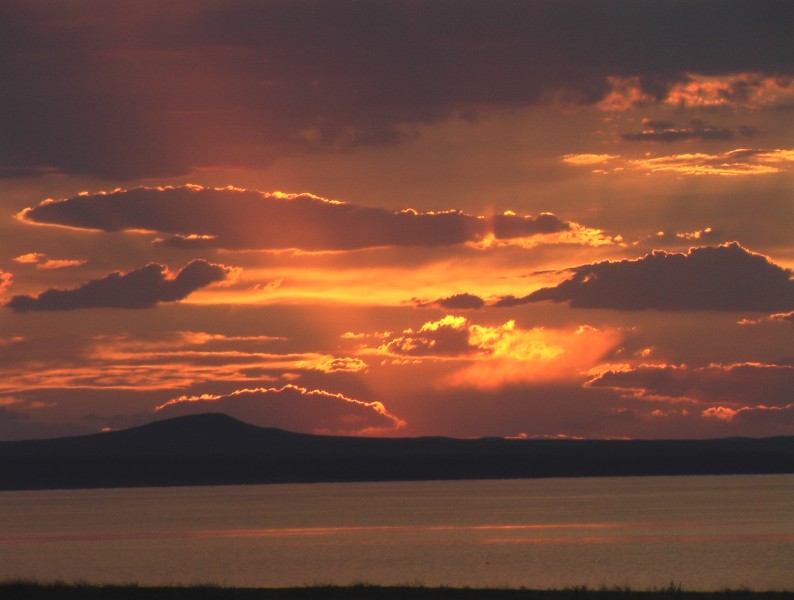
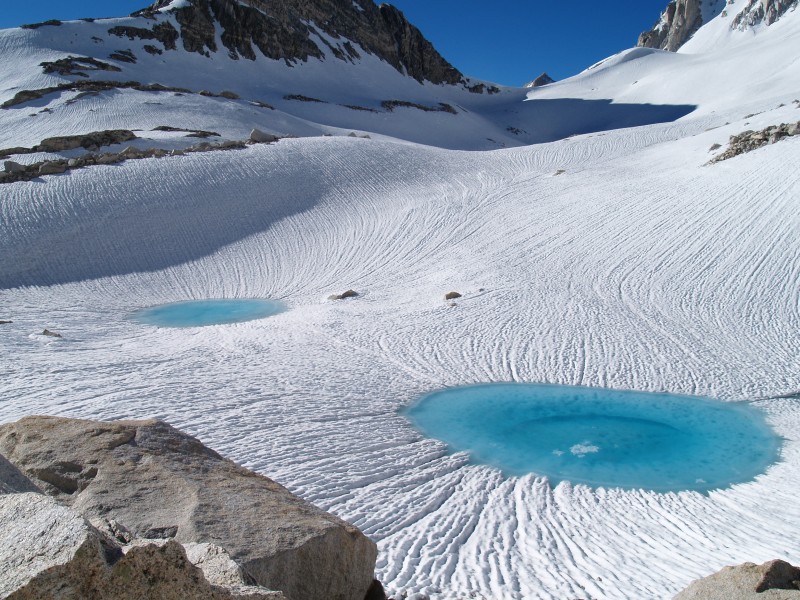
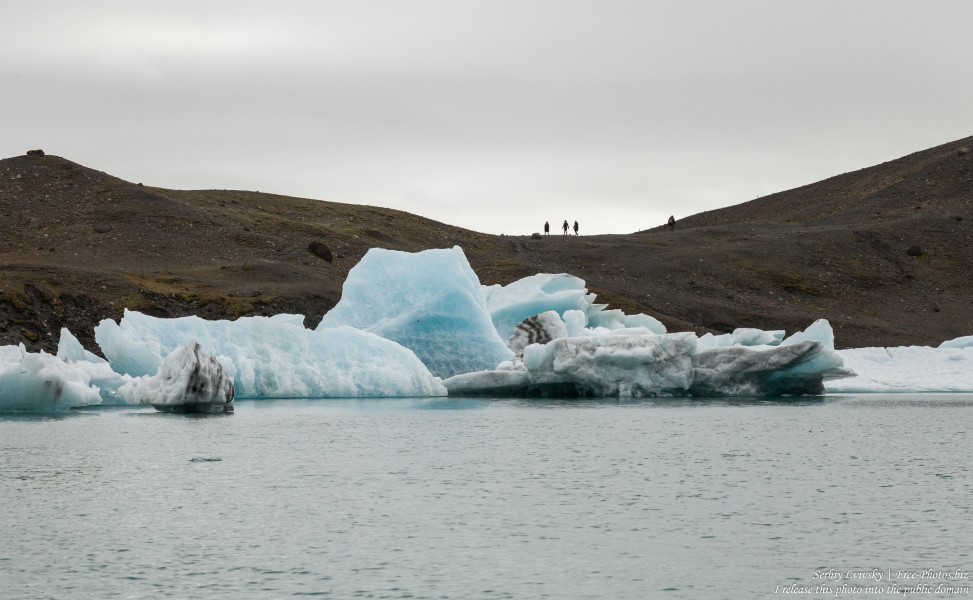
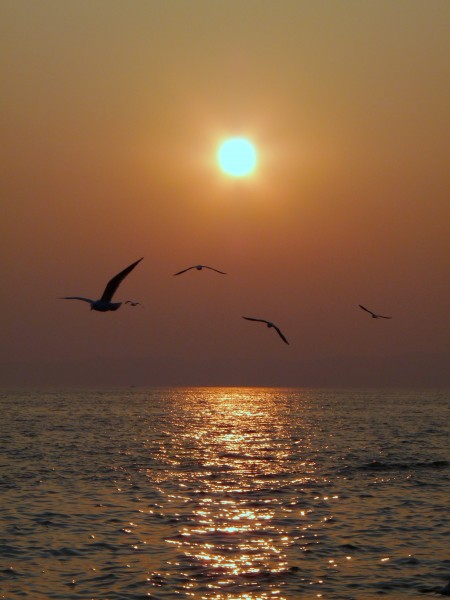
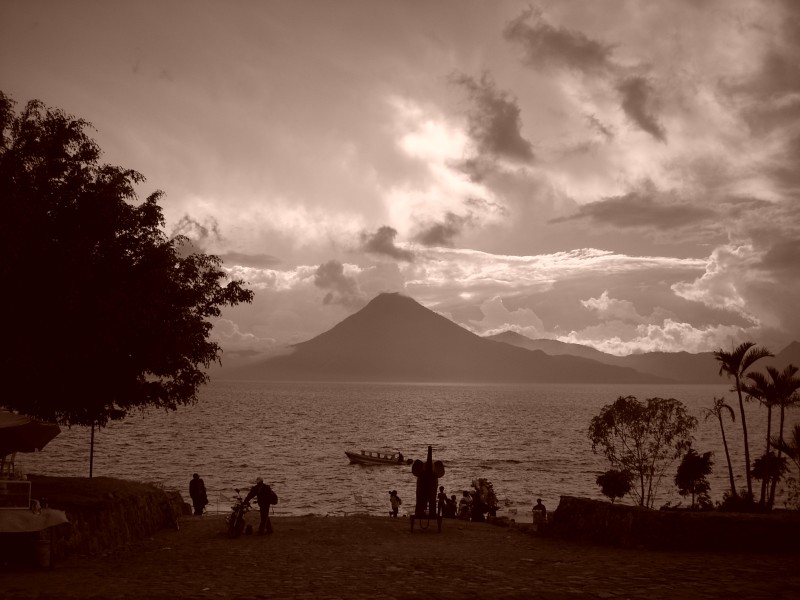
cycling_san_marta_n_de_los_andes_.jpg
jopo_-2.jpg
The Dead Sea, also called the Salt Sea, is a salt lake bordering Jordan to the east and Israel and the West Bank to the west. Its surface and shores are 423 metres below sea level, the lowest elevation on the Earth's surface. The Dead Sea is 377 m deep, the deepest hypersaline lake in the world. With 33.7% salinity, it is also one of the world's saltiest bodies of water, though Lake Assal (Djibouti), Garabogazköl and some hypersaline lakes of the McMurdo Dry Valleys in Antarctica (such as Don Juan Pond) have reported higher salinities. Just north of the Dead Sea is Jericho. Somewhere, perhaps on the southeastern shore, would be the cities mentioned in the Book of Genesis which were said to have been destroyed in the time of Abraham: Sodom and Gomorra (Genesis 18) and the three other Cities of the Plain - Admah, Zeboim and Zoar (Deuteronomy 29:23). Zoar escaped destruction when Abraham's nephew Lot escaped to Zoar from Sodom (Genesis 19:21-22). Before the destruction, the Dead Sea was a valley full of natural tar pits, which was called the vale of Siddim. King David was said to have hidden from Saul at Ein Gedi nearby.<br>Name of photo's author: Free-Photos.Biz<br>This photo was taken in: The Dead Sea, Israel
Capernaum was a fishing village in the time of the Hasmoneans. Located on the northern shore of the Sea of Galilee. It had a population of about 1,500. Archaeological excavations have revealed two ancient synagogues built one over the other. A church near Capernaum is said to be the home of Saint Peter. The town is cited in the Gospel of Luke where it was reported to have been the home of the apostles Simon Peter, Andrew, James and John, as well as the tax collector Matthew. In Matthew 4:13 the town was reported to have been the home of Jesus. According to Luke 4:31-44, Jesus taught in the synagogue in Capernaum on Sabbath. Jesus then healed a man who had the spirit of an unclean devil and healed a fever in Simon Peter's mother-in-law. According to Luke 7:1-10, it is also the place where a Roman Centurion asked Jesus to heal his servant. Capernaum is also mentioned in the Gospel of Mark (2:1), it is the location of the famous healing of the paralytic lowered through the roof to reach Jesus. According to the Synoptic Gospels, Jesus selected this town as the center of his public ministry in the Galilee after he left the small mountainous hamlet of Nazareth (Matthew 4:12-17). Capernaum has no obvious advantages over any other city in the area, so he probably chose it because it was the home of his first disciples, Simon (Peter) and Andrew.<br>Name of photo's author: Free-Photos.biz<br>This photo was taken in: Capernaum, Israel
capharnaum_2011-09-27_13-36-40.jpg
Restaurant on a Sea of Galilee. Israel. St. Peter's fish served.
Sea of Galilee, Israel
The Sea of Galilee, also Kinneret, Lake of Gennesaret, or Lake Tiberias, is the largest freshwater lake in Israel, and it is approximately 53 km in circumference, about 21 km long, and 13 km wide. The lake has a total area of 166 km2, and a maximum depth of approximately 43 m. At 214 metres below sea level, it is the lowest freshwater lake on Earth and the second-lowest lake in the world (after the Dead Sea, a saltwater lake). Much of the ministry of Jesus occurred on the shores of Lake Galilee. In those days, there was a continuous ribbon development of settlements and villages around the lake and plenty of trade and ferrying by boat. The Synoptic gospels of Mark (1:14-20), Matthew (4:18-22), and Luke (5:1-11) describe how Jesus recruited four of his apostles from the shores of Lake Galilee: the fishermen Simon and his brother Andrew and the brothers John and James. One of Jesus' famous teaching episodes, the Sermon on the Mount, have been given on a hill overlooking the lake. Many of his miracles are also said to have occurred here including his walking on water, calming the storm, the disciples and the boatload of fish, and his feeding five thousand people (in Tabgha).<br>Name of photo's author: Free-Photos.biz<br>This photo was taken in: The Sea of Galilee, not far from the Sermon Mountain
Israel's and Ukraine's flags on a boat on the Sea of Galilee, Israel.
The flag of Ukraine + the flag of Israel on a boat on the Sea of Galilee.
The Sea of Galilee, also Kinneret, Lake of Gennesaret, or Lake Tiberias, is the largest freshwater lake in Israel, and it is approximately 53 km in circumference, about 21 km long, and 13 km wide. The lake has a total area of 166 km2, and a maximum depth of approximately 43 m. At 214 metres below sea level, it is the lowest freshwater lake on Earth and the second-lowest lake in the world (after the Dead Sea, a saltwater lake). Much of the ministry of Jesus occurred on the shores of Lake Galilee. In those days, there was a continuous ribbon development of settlements and villages around the lake and plenty of trade and ferrying by boat. The Synoptic gospels of Mark (1:14-20), Matthew (4:18-22), and Luke (5:1-11) describe how Jesus recruited four of his apostles from the shores of Lake Galilee: the fishermen Simon and his brother Andrew and the brothers John and James. One of Jesus' famous teaching episodes, the Sermon on the Mount, have been given on a hill overlooking the lake. Many of his miracles are also said to have occurred here including his walking on water, calming the storm, the disciples and the boatload of fish, and his feeding five thousand people (in Tabgha).<br>Name of photo's author: Free-Photos.biz<br>This photo was taken in: The Sea of Galilee, not far from the Sermon Mountain


Photos offered at Free-Photos.Biz come from Wikimedia Commons and from other sources. The pictures are published under free licenses and can be used by you free of charge for commercial and non-commercial purposes.
See more at: here and here.If you want to be sure of the concrete free license of a picture - look for the same picture at commons.wikimedia.org and see the license conditions there - but remember not all pictures come from there.

Some photos portray identifiable persons alive or deceased recently. The use of images of living or recently deceased individuals is, in some jurisdictions, restricted by laws pertaining to personality rights, independent from their copyright status. Before using such photos, please ensure that you have the right to use them under the laws which apply in the circumstances of your intended use. You are solely responsible for ensuring that you do not infringe someone else's personality rights.
christian portal
